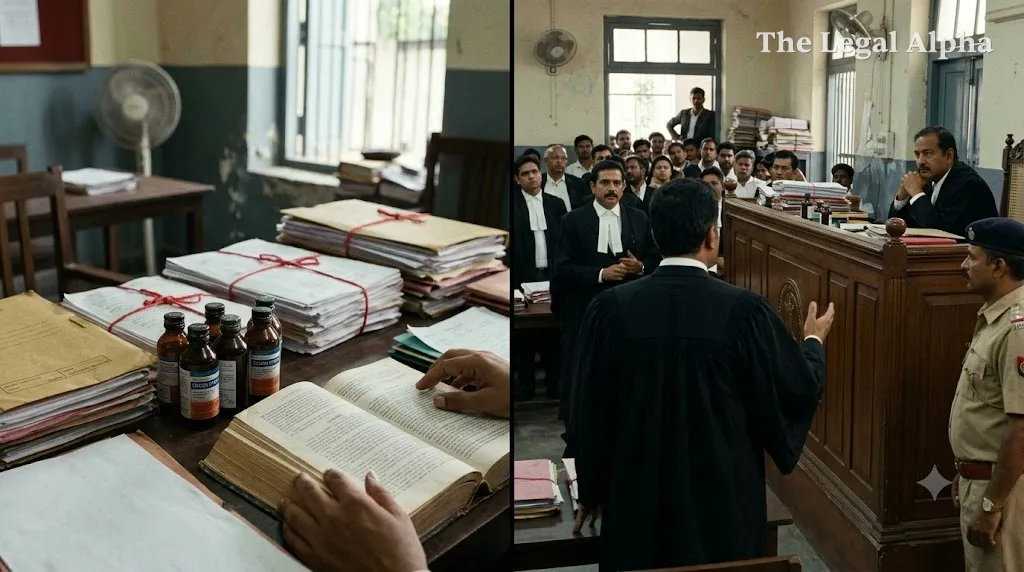
Delhi High Court Questions Challenge to Preventive Custody as CJP Leaders Withdraw Plea Over Jantar Mantar Protest
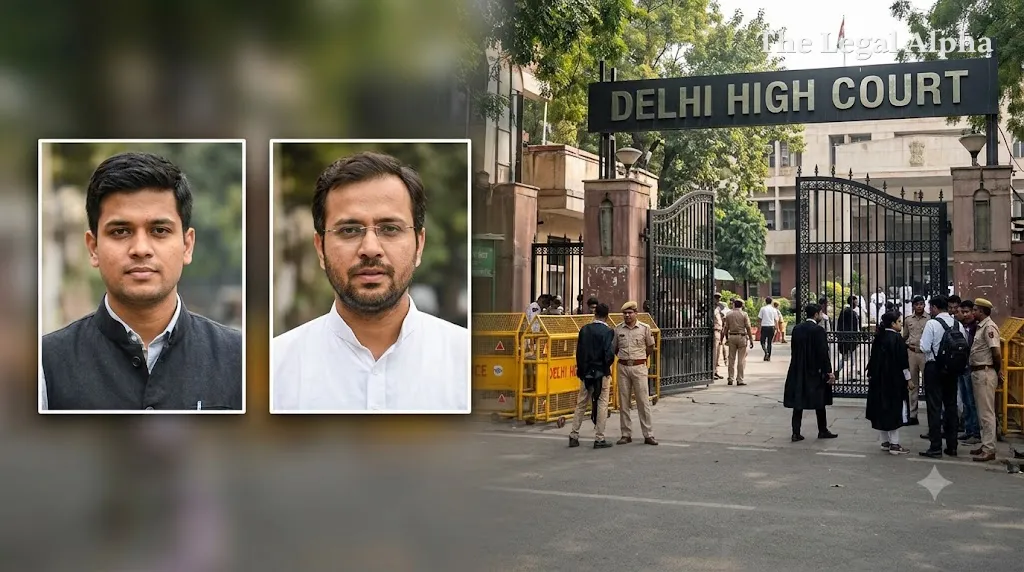
Cockroach Janta Party leaders Saurav Das and Ashutosh Ranka withdrew their petition before the Delhi High Court after the court expressed strong reluctance to interfere with an executive magistrate's order extending their judicial custody. The duo was detained by Delhi Police on October 13 after allegedly scaling the barricaded gates of Jantar Mantar—a site recently denotified for demonstrations—to stage a protest and wave the national flag against the Chief Election Commissioner.
Following their detention, a Special Executive Magistrate remanded them to five days of judicial custody on October 14 under preventive security proceedings. On October 19, the magistrate extended their custody by two additional days, observing that the activists had breached prior peace bonds, furnished inadequate sureties, and showed habitual disregard for lawful restrictions on protest venues. Facing probing questions from the High Court regarding adherence to statutory procedures under the new criminal codes, the petitioners elected to withdraw their challenge.
Legal Topic
Area of Law: Criminal Procedure / Administrative Law
Sub-topic: Preventive Detention and Execution of Bonds under BNSS
Core Legal Issue
The core issue before the court was whether a Special Executive Magistrate can extend judicial custody under Section 135(3) of the Bharatiya Nagarik Suraksha Sanhita, 2023 for alleged failure or default in furnishing satisfactory peace bonds and sureties, without first exhausting statutory forfeiture procedures.
A secondary question was whether staging a peaceful demonstration at a denotified protest venue constitutes an imminent threat to public peace and tranquillity sufficient to justify preventive deprivation of liberty, or whether it amounts merely to a regulatory infraction.
What Did the Court / Authority Decide?
The Delhi High Court declined to grant interim relief to the petitioners against the Special Executive Magistrate's remand extension. During the hearing, the court underscored the necessity of administrative barricades and public order measures, observing that when bail or peace bonds are allegedly breached, the statutory framework contemplates specific actions such as surety forfeiture.
Noting that the magistrate’s notice and opportunity to present written submissions was not inherently prejudicial, the bench gave the petitioners' counsel an opportunity to reflect on whether to press the petition or withdraw it. Das and Ranka subsequently opted to withdraw their petition from the High Court, leaving the executive magistrate's proceedings intact.
Key Legal Points
-
Preventive custody under Chapter VIII of the Bharatiya Nagarik Suraksha Sanhita, 2023 requires executive authorities to assess whether an individual's conduct demonstrates a credible, imminent apprehension of a breach of public peace.
-
Section 135(3) of the BNSS empowers executive magistrates to commit persons to custody if they fail to furnish the required security or bond to keep the peace.
-
The High Court emphasized that security arrangements and barricades at sensitive public areas serve a protective purpose that citizens cannot unilaterally bypass under the garb of peaceful assembly.
-
The formal procedure for handling broken peace bonds allows magistrates discretion to scrutinize the suitability of sureties before discharging detainees or forfeiting bonds.
Relevant Law
-
Section 126, Bharatiya Nagarik Suraksha Sanhita, 2023 (Security for keeping the peace in other cases).
-
Section 135, Bharatiya Nagarik Suraksha Sanhita, 2023 (Order to give security; commitment to custody on failure to furnish security).
-
Article 19(1)(a) and 19(1)(b) read with Article 19(2) and 19(3), Constitution of India (Freedom of speech, expression, and peaceful assembly subject to reasonable public order restrictions).
-
Article 21, Constitution of India (Protection of life and personal liberty).
Arguments of the Parties
Petitioner / Applicant / Appellant
Counsel for the petitioners argued that the magistrate acted without lawful jurisdiction by extending custody under Section 135(3) of the BNSS on the pretext that they had defaulted on bond conditions. They submitted that sureties had been produced in compliance with earlier directions and that the magistrate erred in declaring them unfit without proper justification. Furthermore, the petitioners maintained that protesting at a venue that had merely lost its notification status was at most a minor regulatory issue, lacking any proximate or real nexus to a genuine public order disturbance.
Respondent / State / Opposing Party
The Delhi Police contended that the activists displayed habitual non-compliance with lawful directives by repeatedly attempting to hold demonstrations at unauthorized sites. The State submitted before the magistrate that the leaders had violated previously executed peace bonds, creating an imminent risk to public peace and tranquillity. The State also argued that the sureties produced failed scrutiny and that the two-day extension was a lawful measure to allow the respondents to furnish appropriate security and submit their replies.
Why Does It Matter?
This development highlights the evolving judicial approach toward executive magistrate powers under the Bharatiya Nagarik Suraksha Sanhita, particularly concerning preventive detention and peace bonds. It reinforces that while the right to protest remains constitutionally protected, courts are hesitant to bypass administrative security decisions when demonstrators deliberately breach physical cordons or use de-notified locations.
The case underscores that executive magistrates retain wide latitude to reject inadequate sureties and demand fresh compliance where a breach of peace is apprehended. For civil society groups and political outfits, it sets a clear precedent: defying venue restrictions and municipal barricades can lead directly to enforceable preventive custody that superior courts may not readily overturn via writ or interim applications.
Legal Takeaway
Citizens cannot treat municipal barricades and venue de-notifications as mere procedural technicalities during demonstrations. When preventive bonds are executed under the BNSS, executive magistrates possess the lawful discretion to reject unsuitable sureties and retain individuals in custody until satisfactory security to maintain public peace is provided.
Sources
Primary Source:
Proceedings and oral observations of the Delhi High Court in Saurav Das & Anr. v. State (NCT of Delhi) (October 21, 2026); Order of the Special Executive Magistrate, Mandir Marg Police Station (October 19, 2026).
Additional Sources:
Delhi Police Remand Applications under BNSS; High Court cause list and reporting by Bar & Bench and Hindustan Times.