Delhi High Court Declines Plea for Damages Over Protest Disruptions, Directs Petitioner to Supreme Court
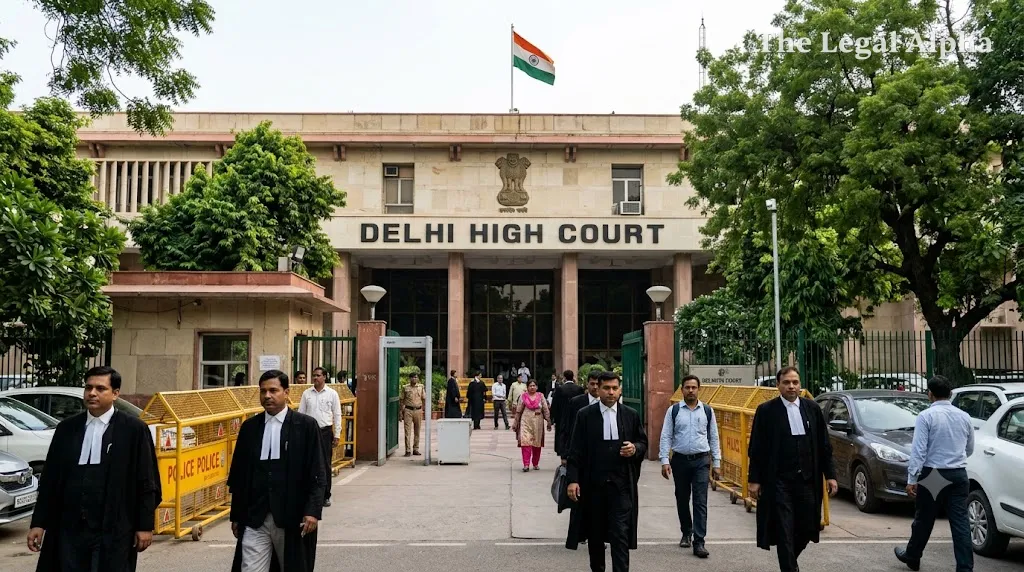
The Delhi High Court disposed of a public interest litigation (PIL) filed against the political outfit Cockroach Janta Party (CJP). The petition sought interim monetary compensation and the imposition of a community fine against the party for widespread public inconvenience, commercial disruption, and traffic blockades allegedly caused during recent demonstrations in the national capital.
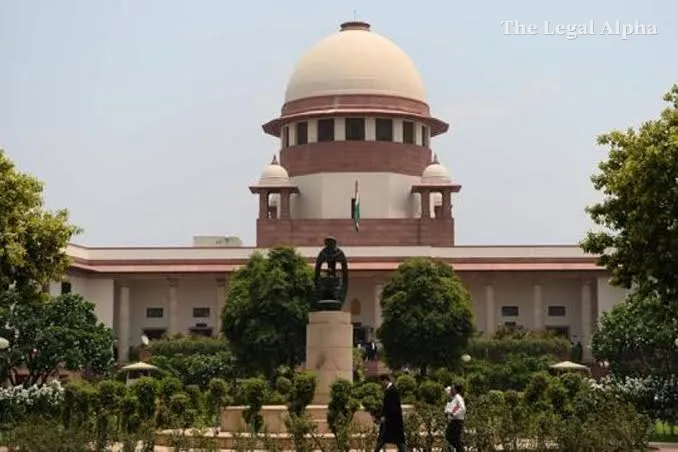
Rather than adjudicating the merits of the compensation plea, the High Court declined to entertain the matter in deference to ongoing proceedings before the Supreme Court of India. Noting that the apex court is already seized of multiple petitions concerning the legality, management, and fallout of the protests, the bench granted the petitioner liberty to raise these claims directly before the top court.
Legal Topic
Area of Law: Constitutional Law / Civil Writs
Sub-topic: Public Interest Litigation / Right to Protest vs. Right to Free Movement and Public Compensation
Core Legal Issue
The matter touches upon the balance between the fundamental freedom to assemble peaceably and the fundamental rights of ordinary citizens to uninterrupted movement, trade, and daily livelihood.
At a procedural level, the primary legal question before the High Court was whether a state high court should exercise its extraordinary writ jurisdiction under Article 226 of the Constitution to create a compensation and claims mechanism when identical and overarching subject matters are already under the active review of the Supreme Court of India.
What Did the Court / Authority Decide?
The High Court chose not to initiate parallel proceedings. Taking note of submissions made on behalf of the Central government that the broader controversy surrounding the demonstrations is being heard by the Supreme Court, the bench disposed of the petition.
The court neither granted the monetary damages nor formed the claims committee sought in the plea. Instead, it preserved judicial discipline by permitting the petitioner the liberty to approach the Supreme Court to seek appropriate relief or intervene in the connected matters already pending there.
Key Legal Points
-
Avoidance of Multiplicity: High Courts generally refrain from entertaining writ petitions that risk conflicting with or duplicating proceedings when the Supreme Court has already assumed broad oversight over the controversy.
-
Judicial Comity and Restraint: Maintaining procedural discipline takes precedence over initiating piecemeal compensation inquiries under Article 226 when connected foundational questions remain sub judice before the apex court.
-
Liability for Protest-Induced Damage: Indian jurisprudence, shaped by apex court guidelines on protests and public property destruction, requires structured evidentiary inquiry before civil liability or compensation funds can be enforced against political outfits.
Relevant Law
-
Article 226 of the Constitution of India: Confers writ jurisdiction on High Courts for the enforcement of fundamental rights and for any other purpose.
-
Article 19(1)(a) & 19(1)(b) of the Constitution of India: Guarantees freedom of speech and expression, and the right to assemble peaceably without arms, subject to reasonable restrictions under Article 19(2) and 19(3).
-
Article 19(1)(d) & 19(1)(g) of the Constitution of India: Protects the right of citizens to move freely throughout the territory of India and practice any profession, trade, or business.
-
Supreme Court Guidelines in Destruction of Public and Private Properties v. State of A.P. (2009) and Amit Sahni v. Commissioner of Police (Shaheen Bagh Case, 2020): Lay down frameworks for accountability, non-blockade of public ways, and compensation assessment for loss caused during mass agitations.
Arguments of the Parties
The petitioner contended that demonstrations organized by the political outfit overstayed their sanctioned limits, leading to severe gridlock across major transit corridors. The petitioner argued that local business owners, commuters, and school-going children suffered significant disruption and financial loss, necessitating an immediate interim compensation deposit and an independent committee to evaluate public compensation claims.
The Union of India, represented by the Solicitor General, submitted that several dozen petitions arising out of the demonstrations and related administrative measures were already under active adjudication before the Supreme Court. The State maintained that opening parallel tracks of litigation in the High Court would be inappropriate while the apex court is seized of the core issues.
Why Does It Matter?
This development reinforces procedural restraint in high-profile public agitations. While citizens and business associations increasingly turn to the courts for tort-style community damages when demonstrations paralyse public infrastructure, high courts are cautious not to preempt apex court rulings.
For litigants, the case serves as a practical reminder that when public unrest triggers widespread litigation, the Supreme Court remains the primary forum that determines both the permissible boundaries of demonstration and the legal mechanism for compensating the general public.
Legal Takeaway
High Courts will typically decline to adjudicate public compensation and protest management claims under Article 226 when identical disputes are actively pending before the Supreme Court. Parties seeking damages or independent claim commissions arising from wide-scale agitations must pursue their remedies before the apex forum to avoid duplicative proceedings.
Sources
Primary Source: Order of the High Court of Delhi in Rakesh Kumar Saini v. Union of India and Others (Disposed on October 28, 2026)
Additional Sources: Proceedings and submissions noted via ANI, LiveLaw, and Press Information records