Delhi High Court Declines Interim Order on Central Secretariat Club Eviction After Centre Confirms No Immediate Re-Allotment
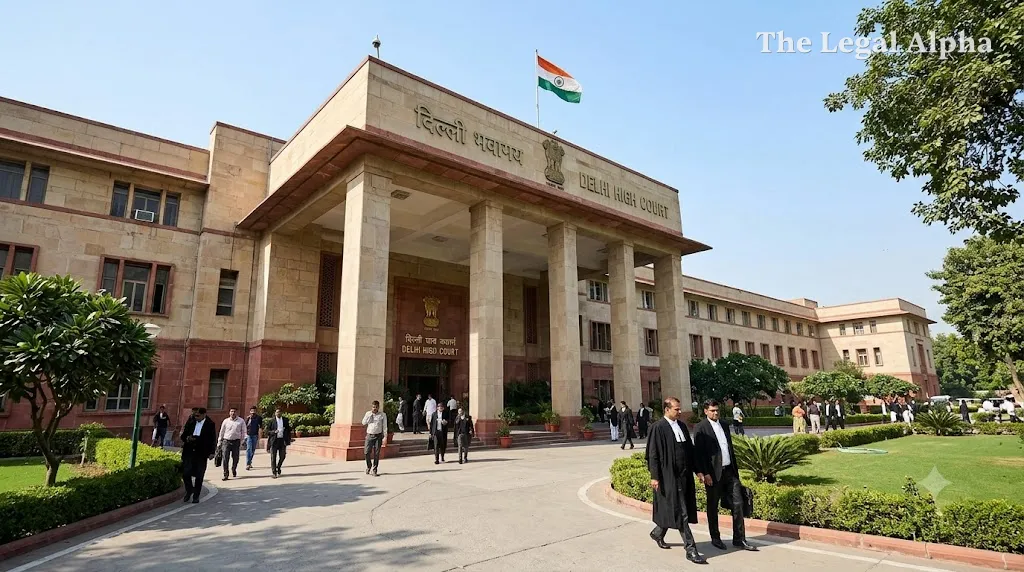
The Delhi High Court closed an interim application brought by the Central Secretariat Club seeking an immediate halt to its eviction and de-recognition proceedings. The club had approached the court apprehending that the Union Government was preparing to hand over the prime land in the President’s Estate area to Ram Manohar Lohia (RML) Hospital, creating an irreversible fait accompli before its main writ petition could be adjudicated.
Justice Amit Mahajan recorded the Central Government's undertaking that there is currently no proposal to allot the disputed property to any third party. In view of this assurance, the court ruled that no interim directions were warranted at this stage, while extending permission to the club's representatives to collect remaining office belongings within one week. The substantive dispute challenging the club’s de-recognition and eviction remains pending and is scheduled for hearing on December 21, 2026.
Legal Topic
Area of Law: Administrative and Public Property Law
Sub-topic: Eviction of Public Premises / Government Land Allotment and Interim Injunctions
Core Legal Issue
The controversy centres on whether an interim order of status quo or stay is necessary against administrative action when the government gives an explicit undertaking not to alter the status or create third-party rights on disputed public land pending adjudication.
At a broader level, the dispute tests the legality of executive authorities cancelling perpetual land occupancy rights and de-recognising a century-old staff welfare institution under summary public premises eviction mechanisms.
What Did the Court / Authority Decide?
Justice Amit Mahajan held that no judicial order was needed on the club’s interlocutory stay application in light of the Centre's stated position.
The court granted the club’s representatives a one-week window to remove their remaining assets and documents from the premises. Crucially, the court did not dismiss the underlying writ petition; the principal legal challenge against the cancellation of allotment, administrative de-recognition, and eviction proceedings remains pending for final consideration on December 21, 2026.
Key Legal Points
-
Doctrine of Fait Accompli in Administrative Writs: The court refrained from issuing injunctive relief because the government’s formal concession eliminated the immediate risk of third-party rights being created prior to final hearing.
-
Balance of Convenience and Property Retrieval: By granting time for the retrieval of club records and chattels, the court balanced the State’s immediate possession of the property with the protection of the occupant's movable assets.
-
Preservation of Substantive Review: Disposing of an interim application based on recorded statements does not operate as an expression on the merits of the de-recognition or the summary eviction order.
Relevant Law
-
Public Premises (Eviction of Unauthorised Occupants) Act, 1971: Under Section 4 and Section 5, regulating the authority of Estate Officers to direct eviction from public property.
-
Constitution of India: Article 226, invoking the extraordinary writ jurisdiction of the High Court to examine arbitrary administrative de-recognition and natural justice violations.
Arguments of the Parties
Petitioner (Central Secretariat Club):
Senior counsel for the club contended that the administration acted arbitrarily by revoking the status of a 107-year-old institution established for central government employees. The petitioner submitted that the authorities cancelled the allotment without due process and unlawfully treated a permanent occupant as an unauthorized occupant under the Public Premises Act. Furthermore, the club argued that urgent intervention was required because the land was reportedly in the pipeline to be transferred to RML Hospital, which would prejudice the pending writ petition beyond repair.
Respondent (Union of India):
Central government counsel submitted that the club had consistently violated the conditions of recognition, pointing out the lack of a representative serving employee membership and the presence of unauthorized occupants on government land. The respondent clarified on instruction that the club's apprehension of an imminent transfer to RML Hospital was unfounded, as no proposal to allot the land to any entity had been initiated.
Why Does It Matter?
This development highlights the evidentiary threshold courts require when granting interim relief against government actions regarding prime public land. Rather than issuing restraining orders that freeze executive discretion, courts often find state assurances sufficient to maintain equilibrium pending substantive arguments.
For institutional occupants and social clubs operating on state-owned land, the dispute signals that long-standing historical tenure does not insulate entities from compliance checks, valid management representation rules, or summary eviction proceedings under public premises legislation.
Legal Takeaway
Interim injunctive relief against administrative action on government land is unlikely to be granted when the State formally undertakes not to re-allot the property or create third-party rights before final adjudication. In such cases, the court prioritizes an orderly inventory and asset retrieval while preserving the core constitutional and procedural challenge for full trial.
Sources
Primary Source:
Order of the High Court of Delhi in Central Secretariat Club v. Union of India and Ors., Single Bench of Justice Amit Mahajan (Neutral Citation: Pending / Listed for Dec 21, 2026).
Additional Sources:
Proceedings before the Directorate of Estates, Ministry of Housing and Urban Affairs; De-recognition order by the Union Ministry of Personnel, Public Grievances and Pensions.