Clean Streets Over Entitlement: Bombay High Court Warns Slum Dwellers Littering Public Spaces Face Loss of Housing Rehabilitation Rights
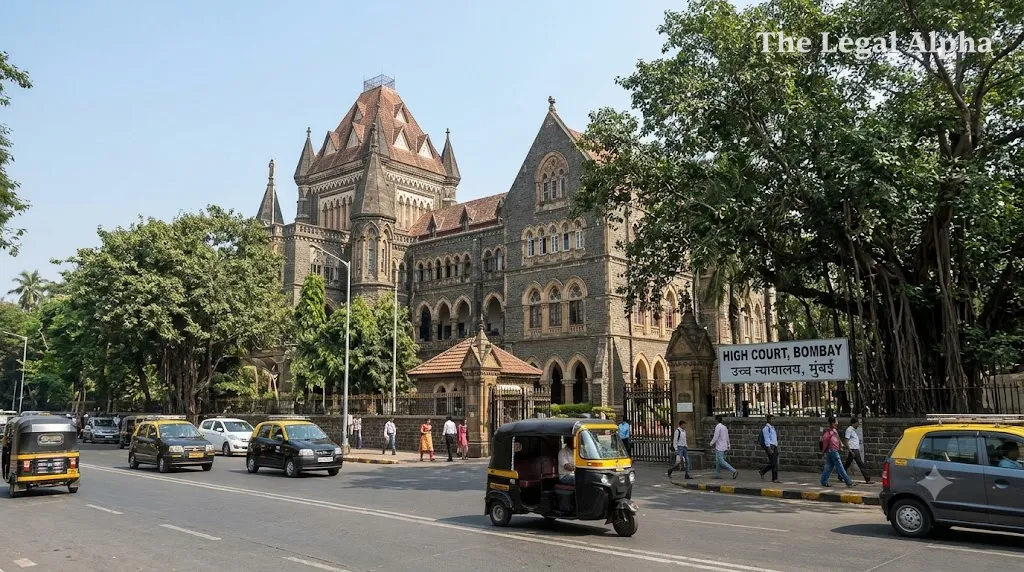
The Bombay High Court has issued a stern warning to slum dwellers across Mumbai, stating that persistent refusal to follow civic sanitation norms and indiscriminate garbage dumping on public streets could cost them their statutory rehabilitation benefits.
A Division Bench comprising Justice G.S. Kulkarni and Justice Dr. Neela Gokhale observed with concern that municipal sanitation workers and police personnel frequently encounter resistance and threats when attempting to enforce cleanliness guidelines. The Bench noted that the right to a clean, unpolluted environment forms an essential part of the broader public’s constitutional rights and cautioned that beneficiaries cannot obstruct municipal authorities while expecting the state to provide permanent alternate accommodation.
Legal Topic
Area of Law: Constitutional & Administrative Law
Sub-topic: Urban Development / Slum Rehabilitation / Public Health and Municipal Governance
Core Legal Issue
Can statutory or policy-backed entitlements to permanent alternate housing be subject to conditions of civic duty, public order, and non-infringement of other citizens’ constitutional rights to health and a clean environment?
The core question before the court centers on balancing welfare benefits granted under urban rehabilitation schemes with the reciprocal civic duties of beneficiaries, specifically assessing whether non-compliance with municipal public health and sanitation laws can justify denying or forfeiting rehabilitation benefits.
What Did the Court / Authority Decide?
The Division Bench cautioned that slum dwellers who obstruct civic bodies, dump waste indiscriminately, and defy municipal rules risk forfeiting their eligibility for permanent alternate accommodation.
Key aspects of the proceedings include:
-
Strict Warning on Rehabilitation Rights: The court cautioned that beneficiaries residing in informal settlements must adhere to municipal civic codes, clarifying that persistent non-compliance could lead to forfeiture of alternative housing entitlements.
-
Directives to Slum Rehabilitation Authority (SRA): The court directed the SRA to mandate that all occupants and prospective beneficiaries follow foundational sanitation regulations and avoid disrupting municipal operations.
-
Civic Officer Accountability: Appreciating clean-up drives conducted at the ward level, the Bench emphasized the need for institutional oversight, calling for weekly progress monitoring and ward-level officer accountability.
-
Procedural Nature: The Bench made these strong verbal and interim observations while monitoring broader urban sanitation and civic compliance issues across Mumbai, placing authorities on notice to enforce administrative accountability.
Key Legal Points
-
Reciprocity of Welfare Rights and Civic Duties: The court observed that state-sponsored rehabilitation schemes are not absolute, unconditional windfalls; beneficiaries must comply with municipal governance standards and basic civic norms.
-
Public Health as an Article 21 Guarantee: Public dumping and roadside littering infringe on the fundamental rights of other citizens under Article 21 of the Constitution of India, which encompasses the right to a clean and safe living environment.
-
Protection of Frontline Municipal Staff: The Bench condemned attempts to intimidate or resist municipal workers and police executing statutory sanitation duties, holding that civic obstructionism cannot be tolerated.
-
Administrative Enforcement via SRA: Urban development authorities and the SRA are expected to integrate civic cleanliness and hygiene discipline directly into the rehabilitation framework.
Relevant Law
-
Article 21 of the Constitution of India: Guarantees the fundamental right to life and personal liberty, which Indian constitutional jurisprudence interprets as including the right to clean roads, public health, and an unpolluted urban environment.
-
Article 51A(g) of the Constitution of India: Sets out the fundamental duty of every citizen to protect and improve the natural environment.
-
Maharashtra Slum Areas (Improvement, Clearance and Redevelopment) Act, 1971: Governs slum rehabilitation schemes, eligibility standards, and the provision of permanent alternate accommodation.
-
Mumbai Municipal Corporation Act, 1888 (MMC Act): Regulates the statutory duties of the civic body and ward officers concerning waste disposal, road maintenance, and public health management.
Arguments of the Parties
-
The High Court / Judicial Observations: The Bench emphasized that municipal authorities must not be impeded while carrying out public health mandates. The judges underscored that beneficiaries cannot demand housing benefits from the state while systematically degrading public infrastructure, littering municipal thoroughfares, and threatening law enforcement and municipal staff.
-
Civic Authorities (Municipal Corporation of Greater Mumbai / Slum Rehabilitation Authority): The authorities presented field updates regarding ongoing cleanliness initiatives and ward-wise garbage clearing, while noting persistent resistance, lack of cooperation, and open waste dumping in several congested slum settlements.
Why Does It Matter?
This development signals a judicial willingness to link urban welfare benefits with civic compliance. Historically, courts have focused primarily on protecting the shelter and livelihood rights of informal settlers facing eviction. By suggesting that non-compliance with basic sanitation and public health laws could lead to the loss of rehabilitation rights, the Bombay High Court has introduced a notable shift toward reciprocal accountability in urban social welfare jurisprudence.
For municipal bodies, these observations reinforce administrative authority to strictly enforce solid waste management bylaws. For housing authorities like the Slum Rehabilitation Authority (SRA), the ruling suggests that rehabilitation schemes could eventually incorporate binding conduct covenants, holding occupants accountable for environmental maintenance in surrounding public spaces.
Legal Takeaway
Welfare entitlements such as permanent alternate housing cannot be claimed in isolation from civic responsibilities. The Bombay High Court's observations underscore that persistent violations of municipal sanitation norms and encroachment on public health under Article 21 can imperil an occupant's eligibility for state-facilitated rehabilitation.
Sources
Primary Source:
-
Proceedings before the Division Bench of Justice G.S. Kulkarni and Justice Dr. Neela Gokhale, High Court of Judicature at Bombay (Oral Observations & Directives, October 2026).
Additional Sources:
-
High Court hearing reports and civic monitoring records, Mumbai Municipal Corporation and Slum Rehabilitation Authority matters.