Alleged Verbal Sale Cannot Confer Immovable Property Ownership, Rules Delhi High Court
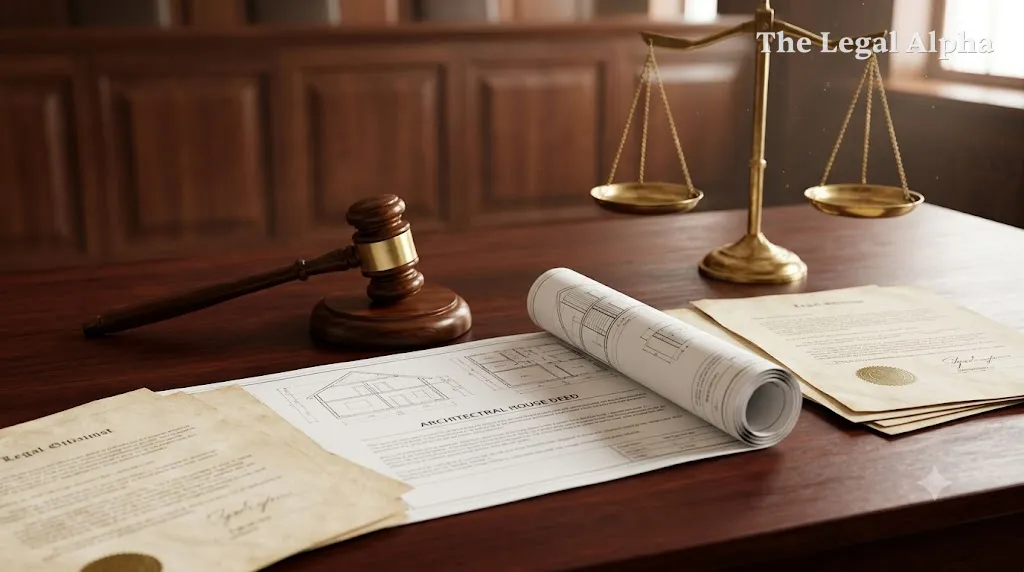
The Delhi High Court has ruled that an unwritten, verbal agreement cannot transfer ownership of immovable property or protect an occupant against eviction. The decision arose from a property dispute brought by the family members of a deceased domestic worker against a homeowner.
The original homeowner and his daughter had permitted their domestic worker to reside on the premises. Following the worker’s death, the owner requested the family vacate the flat. When the surviving family refused, the homeowner initiated a civil suit seeking recovery of possession. The occupants resisted eviction by claiming that the deceased worker had entered into an oral agreement in 2003 to buy the property, under which monthly deductions were allegedly made from his salary toward the sale consideration. A trial court rejected this defence and directed them to hand over vacant possession, an outcome that the occupants appealed before the High Court.
Legal Topic
-
Area of Law: Property Law / Civil Procedure
-
Sub-topic: Immovable Property Transfer / Enforceability of Oral Agreements and Adverse Possession Claims
Core Legal Issue
The High Court had to consider whether an alleged unwritten agreement to sell an immovable property, coupled with prolonged physical occupancy, can legally confer proprietary title or shield occupants from a decree of possession when no registered instrument of conveyance exists.
What Did the Court Decide?
Justice Neena Bansal Krishna dismissed the appeal and upheld the trial court's eviction decree against the domestic worker's family.
The Court held that an alleged oral arrangement is legally incapable of creating proprietary rights or transferring ownership of immovable property. The bench observed that the record showed no evidence establishing a consensus or concluded transaction, nor was any formal sale deed ever executed. The Court also addressed procedural grievances regarding ex-parte proceedings before the trial forum, pointing out that an appeal is not the remedy for non-appearance; the proper procedural route would have been an application under Order IX Rule 13 of the Code of Civil Procedure.
Key Legal Points
-
No Proprietary Rights via Oral Transfer: An oral sale or verbal agreement does not satisfy statutory requirements to convey ownership or title in immovable property.
-
Possession Does Not Equal Ownership: Prolonged physical residence on a premises, by itself, does not ripen into title or shield a gratuitous licensee or permissive occupant from eviction.
-
Absence of Concluded Contract: Unsubstantiated claims of consideration being adjusted through salary deductions cannot substitute for a valid, enforceable conveyance without cogent documentary proof.
-
Procedural Recourse for Ex-Parte Decrees: A party aggrieved by an ex-parte trial determination must seek relief through a recall application under Order IX Rule 13 CPC rather than challenging the judgment directly on the ground of non-appearance.
Relevant Law
-
Transfer of Property Act, 1882 (Section 54): Mandates that the sale of tangible immovable property valued at one hundred rupees or upwards can only be made by a registered instrument.
-
Registration Act, 1908 (Section 17): Requires compulsory registration of documents creating or transferring rights, title, or interest in immovable property.
-
Code of Civil Procedure, 1908 (Order IX, Rule 13): Outlines the statutory procedure for setting aside an ex-parte decree passed against a defendant.
Arguments of the Parties
Appellants (Occupants / Legal Heirs of Domestic Worker)
-
Contended that the deceased domestic worker had entered into a binding oral contract in 2003 with the owner to purchase the residential unit.
-
Submitted that part-performance occurred through continuous monthly deductions of ₹1,750 from the domestic worker's wages toward the property's purchase price.
-
Claimed that their decades-long possession granted them legal protection against summary eviction.
Respondent (Property Owner)
-
Submitted that the domestic worker was accommodated on the premises purely on a permissive basis as a licensee due to his employment.
-
Argued that no valid transaction, sale deed, or conveyance was ever executed.
-
Maintained that following the domestic worker's passing, the license stood terminated, making the continued stay of the surviving family members unauthorised.
Why Does It Matter?
This ruling reinforces strict property conveyance rules under Indian civil jurisprudence. It underscores that informal understandings and domestic accommodations cannot bypass mandatory statutory requirements under the Transfer of Property Act and the Registration Act.
For property owners, the judgment affirms that accommodating domestic staff, caretakers, or employees does not weaken proprietary title, even over lengthy periods. For occupants, it serves as a reminder that courts will not recognise informal arrangements or salary deductions as substitutes for registered documentation when ownership is contested.
Legal Takeaway
Immovable property cannot be transferred through spoken understandings or unrecorded salary deductions. Without a registered deed of transfer, long-term possession remains purely permissive and does not provide an occupant with ownership rights or immunity from eviction.
Sources
-
Primary Source: Delhi High Court, Judgment dated November 6, 2026, delivered by Justice Neena Bansal Krishna.
-
Statutory Framework: Transfer of Property Act, 1882; Registration Act, 1908; Code of Civil Procedure, 1908.