Saurav Das Challenges Government’s Travel Restrictions Before Delhi High Court
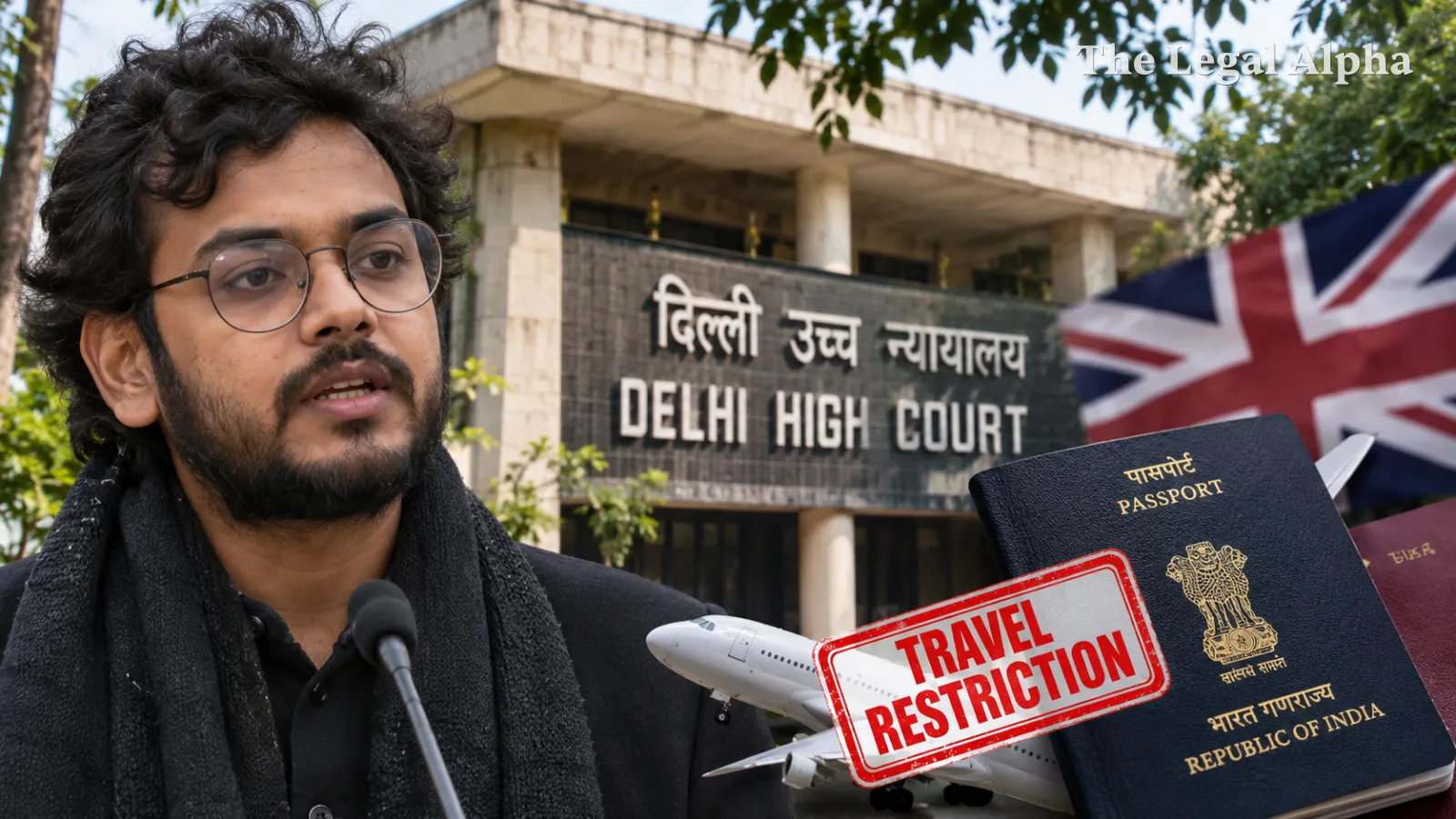
The case raises important questions about the government's power to restrict an individual's right to travel abroad and the legal safeguards available against such restrictions.
What Happened?
Saurav Das, co-convenor of the Cockroach Janta Party (CJP), has approached the Delhi High Court challenging the authorities' decision to prevent him from travelling to the United Kingdom.
Das was stopped at the Indira Gandhi International Airport in New Delhi on November 23, 2026, while attempting to board a London-bound flight. He was scheduled to participate in engagements at several UK institutions, including the Oxford Union, the University of Cambridge, the London School of Economics and the University of Edinburgh.
The controversy arose after immigration officials reportedly flagged discrepancies in his passport details, particularly concerning his place of birth.
His passport, issued by the Regional Passport Office (RPO), Chennai, in August 2019, reportedly records Chennai as his birthplace, whereas Das maintains that he was born in Delhi.
The passport office subsequently issued him a show-cause notice asking him to explain the alleged discrepancy and why his passport should not be impounded.
Legal Topic
Area of Law: Constitutional Law and Passport Law
Sub-topic: Right to Foreign Travel, Passport Impounding and Administrative Action.
Core Legal Issue
The principal legal question concerns the extent of the government's authority to restrict an individual's international travel when discrepancies are identified in passport-related documents.
The matter also raises questions about whether passport authorities must follow a fair and reasonable procedure before restricting the use of an already-issued passport, particularly when the passport holder disputes the allegations and seeks an opportunity to respond.
Another important issue is whether the authorities can effectively prevent international travel through administrative directions while proceedings concerning the validity of a passport remain pending.
What Did the Delhi High Court Do?
Das's lawyer, Advocate Krishnesh Bapat, mentioned the petition before a Division Bench comprising Acting Chief Justice Nitin Wasudeo Sambre and Justice Sanjay Sharma, seeking an urgent hearing.
Counsel submitted that Das had been stopped at immigration without being shown any formal order prohibiting his departure or any Look Out Circular restricting his travel.
The lawyer requested an immediate hearing, explaining that Das still had travel arrangements to reach the United Kingdom on November 27 and that any further delay could render the petition infructuous.
However, the Delhi High Court declined to take up the matter on the same day and indicated that it would hear the petition on November 26, 2026.
What remains pending: The High Court has not yet delivered a decision on the legality of the travel restriction or the passport-related proceedings. The substantive questions remain open for consideration.
Key Legal Points
-
The right to travel abroad forms part of the personal liberty protected under Article 21 of the Constitution.
-
Passport authorities have statutory powers to impound or revoke passports on specified grounds under Section 10 of the Passports Act, 1967.
-
Alleged suppression of material information or submission of incorrect information can attract Section 10(3)(b) of the Act.
-
Administrative action affecting personal liberty must comply with applicable legal procedures and principles of fairness.
-
The legality of the restriction and the passport authorities' actions will require consideration in the pending proceedings.
Relevant Law
Article 21 of the Constitution of India
Protects life and personal liberty. The Supreme Court has recognised that the right to travel abroad forms part of the protection available under Article 21.
Section 10(3)(b), Passports Act, 1967
Empowers passport authorities to impound or revoke a passport if it was obtained by suppressing material information or on the basis of incorrect information.
Section 10(5), Passports Act, 1967
Requires the passport authority to record reasons in writing when passing an order under the relevant provisions and provides for furnishing a copy of those reasons to the passport holder on demand, subject to specified exceptions.
Maneka Gandhi v. Union of India (1978)
The Supreme Court established that a procedure affecting personal liberty under Article 21 must be fair, just and reasonable. The judgment remains an important constitutional precedent concerning passport restrictions and the right to travel abroad.
Arguments of the Parties
Petitioner – Saurav Das
Das has challenged the government's action, questioning the circumstances in which he was prevented from travelling.
His counsel submitted that no formal prohibition or Look Out Circular was shown to him at the airport. The petitioner also questioned the timing of the show-cause notice, reportedly received only a few hours before his scheduled departure.
Das has further alleged that the restriction was connected to his political activities and planned engagements at international universities. These remain his allegations and have not been judicially established.
Respondent – Union Government and Authorities
The reported proceedings concern alleged discrepancies in Das's passport particulars and the subsequent show-cause notice issued by the Regional Passport Office, Chennai.
The authorities have sought an explanation regarding the alleged discrepancies and why the passport should not be impounded.
A detailed response from the government to the allegations made before the Delhi High Court has not been established in the available reports.
Why Does It Matter?
The case brings attention to the balance between the statutory powers of passport authorities and the fundamental rights of individuals.
Although the government has the authority to take action against passports obtained through incorrect or suppressed information, such powers must operate within the framework of the law and constitutional safeguards.
The matter is particularly significant because restrictions on international travel can have immediate consequences for individuals with professional, academic and personal commitments abroad.
It also raises an important procedural question: how should authorities communicate and enforce passport-related restrictions when a person's scheduled international departure is imminent?
The High Court's consideration of the dispute could provide further clarity on the procedural safeguards available to individuals challenging administrative restrictions on overseas travel.
Legal Takeaway
The government possesses statutory powers to impound or revoke passports in circumstances specified under the Passports Act, 1967. However, such powers remain subject to constitutional protections and applicable procedural safeguards. The Delhi High Court's upcoming hearing will be important in determining the legal questions raised by Saurav Das, but no final judicial conclusion has yet been reached.
Sources
Primary Source:
- The Passports Act, 1967 – Official Passport Act text.
Additional Sources: