Article 25 And Freedom Of Conscience: Revisiting The Constitutional Meaning Of Religious Propagation
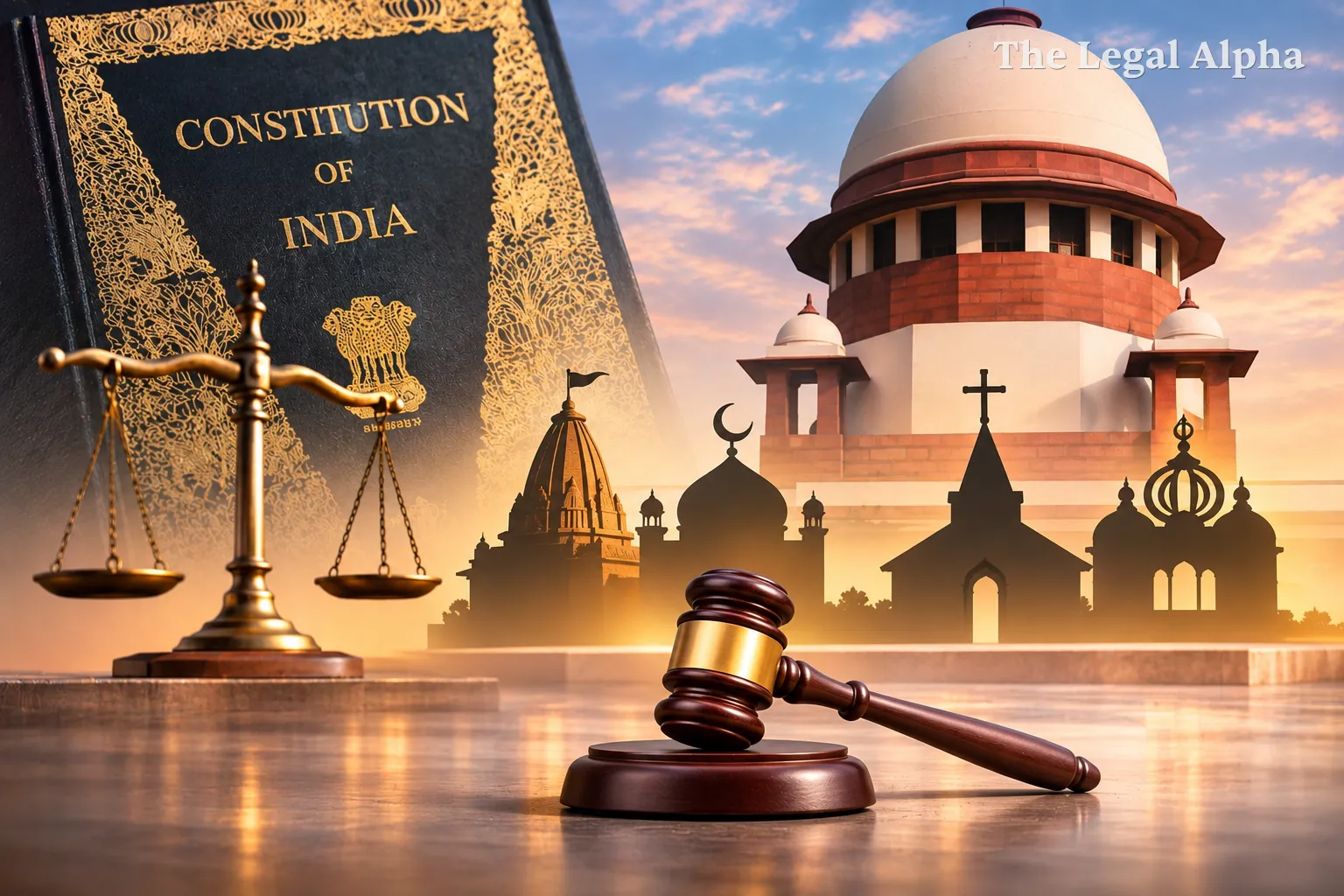
A fresh debate has emerged over the constitutional meaning of the word “propagate” under Article 25(1) of the Constitution of India, which guarantees freedom of conscience and the right to freely profess, practise and propagate religion.
In an opinion article published on November 28, 2026, Senior Advocate C. Mohan Rao revisits the Constituent Assembly Debates and examines the distinction between spreading religious beliefs and converting individuals through force, fraud, inducement or undue influence.
The author argues that the framers of the Constitution intended religious propagation to mean explaining and spreading the principles of a faith rather than securing conversions through improper means. He also examines whether the legislative framework adequately addresses unlawful religious conversions.
The article draws upon historical constitutional debates, the Niyogi Committee Report of 1955 and Supreme Court decisions to highlight the continuing constitutional questions surrounding religious freedom.
Legal Topic
Area of Law: Constitutional Law
Sub-topic: Freedom of Religion, Freedom of Conscience and Religious Conversion
Core Legal Issue
The central legal question concerns the scope of the right to propagate religion under Article 25(1) and whether it extends to influencing or converting another person through force, fraud, inducement or undue influence.
Another important issue is the balance between an individual's freedom to adopt or change their religion and the constitutional obligation to protect the freedom of conscience of others.
The discussion also raises questions about the role of State legislation in preventing unlawful conversions while ensuring that genuine religious expression and voluntary changes of faith remain constitutionally protected.
What Does the Constitutional Framework Provide?
Article 25(1) guarantees every person freedom of conscience and the right freely to profess, practise and propagate religion. However, this right is subject to public order, morality, health and the other provisions of Part III of the Constitution.
The article examines the historical background of this provision, particularly the Constituent Assembly's discussions in 1947 and 1948.
During these discussions, members debated whether the Constitution should expressly prohibit conversions brought about through coercion or undue influence. Although a separate proposed clause dealing with such conversions was eventually dropped, the discussions reflected broad agreement that forced or fraudulent conversions should not receive legal recognition.
The author argues that the responsibility for addressing such practices was expected to be undertaken by the legislature.
What Did the Constituent Assembly Debates Reveal?
The article examines the contributions of several prominent members of the Constituent Assembly, including Sardar Vallabhbhai Patel, Dr. B.R. Ambedkar, K.M. Munshi and Purushottam Das Tandon.
The discussions highlighted an important distinction between explaining one's religious beliefs and procuring another person's conversion through improper methods.
Sardar Patel acknowledged concerns regarding conversions involving coercion and undue influence. Dr. Ambedkar also indicated that the absence of a specific constitutional clause would not prevent the legislature from regulating such matters.
The author argues that the word “propagate” was retained as part of a constitutional compromise, with an understanding that religious propagation would not legitimise coercive or fraudulent conversions.
Supreme Court's Interpretation Of The Right To Propagate
An important judicial reference discussed in the article is the Supreme Court's decision in Rev. Stainislaus v. State of Madhya Pradesh (1977).
The Constitution Bench examined the scope of Article 25 and upheld the validity of the Madhya Pradesh and Orissa laws regulating religious conversions.
The Supreme Court clarified that the right to propagate religion allows individuals to communicate and spread their religious beliefs but does not include a fundamental right to convert another person to one's own religion.
The Court reasoned that attempting to convert another individual in a manner that interferes with their freedom of conscience would affect the constitutional rights guaranteed to everyone.
The judgment remains an important precedent in understanding the distinction between religious propagation and unlawful conversion.
Key Legal Points
-
Article 25(1) protects freedom of conscience and the right to profess, practise and propagate religion, subject to constitutional limitations.
-
The Constituent Assembly Debates reflected a distinction between explaining religious beliefs and securing conversions through coercion, fraud or undue influence.
-
In Rev. Stainislaus v. State of Madhya Pradesh, the Supreme Court clarified that propagation does not create a fundamental right to convert another person.
-
The author argues that legislative action and effective enforcement are necessary to address unlawful conversions without restricting genuine religious freedom.
-
Voluntary conversion and freedom to change one's religion must be distinguished from conversions allegedly obtained through improper means.
Relevant Constitutional Provisions And Legal Precedents
Article 25 of the Constitution of India: Guarantees freedom of conscience and the right freely to profess, practise and propagate religion, subject to specified constitutional restrictions.
Article 25(2): Enables the State to regulate secular activities associated with religious practices and introduce measures for social welfare and reform.
Article 21: Protects life and personal liberty and is relevant to individual autonomy and personal choices.
Constitution (Scheduled Castes) Order, 1950: Paragraph 3 specifies the religious conditions governing eligibility for Scheduled Caste status.
Uttar Pradesh Prohibition of Unlawful Conversion of Religion Act, 2021: Contains provisions addressing unlawful religious conversion, including its treatment of reconversion to a person's immediate previous religion.
Rev. Stainislaus v. State of Madhya Pradesh (1977): An important Supreme Court precedent explaining the constitutional limits of the right to propagate religion.
Legislative Responsibility And Religious Conversion Laws
The article highlights the legislative responsibility envisaged during the framing of the Constitution.
It discusses the Madhya Pradesh Niyogi Committee Report of 1955, which examined missionary activities and religious conversions. The report recorded different perspectives on whether conversions were voluntary or influenced by material benefits and other considerations.
The author argues that the constitutional understanding of religious propagation requires an effective legal framework to address conversions obtained through improper means.
The article also refers to the existence of conversion-regulation legislation in several States and the Maharashtra Freedom of Religion Act, 2026.
However, the constitutional validity of such legislation must be assessed against the guarantees of religious freedom, individual autonomy and equality.
Why Does It Matter?
The debate surrounding Article 25 has significant implications for India's constitutional understanding of secularism and religious freedom.
The distinction between voluntary religious conversion and conversion obtained through coercion or inducement is important for protecting individual autonomy.
The discussion also highlights the responsibility of governments to ensure that laws regulating religious conversions do not become instruments for restricting legitimate religious expression or interfering with personal choices.
For religious organisations, individuals and public authorities, the constitutional challenge lies in maintaining a balance between the freedom to communicate religious beliefs and the protection of every individual's freedom of conscience.
Importantly, the arguments in the article represent the author's constitutional analysis and should not be mistaken for a new judicial ruling or a change in the existing law.
Legal Takeaway
Article 25 protects the freedom to profess, practise and propagate religion, but the Supreme Court has clarified that this does not create a fundamental right to convert another person. The continuing constitutional challenge is to protect voluntary religious choice while ensuring that coercion, fraud and unlawful inducement do not undermine individual freedom of conscience.
Sources
Primary Sources:
-
Constitution of India, Article 25.
-
Constituent Assembly Debates, particularly discussions dated May 1, 1947, August 30, 1947 and December 6, 1948.
-
Rev. Stainislaus v. State of Madhya Pradesh (1977).
Additional Sources:
-
Niyogi Committee Report, 1955.
-
Uttar Pradesh Prohibition of Unlawful Conversion of Religion Act, 2021.