Distance From Advocates and Asset Transparency Are Non-Negotiable: Gujarat High Court Upholds Magistrate’s Removal Over Proxy Phones and Undisclosed Purchases
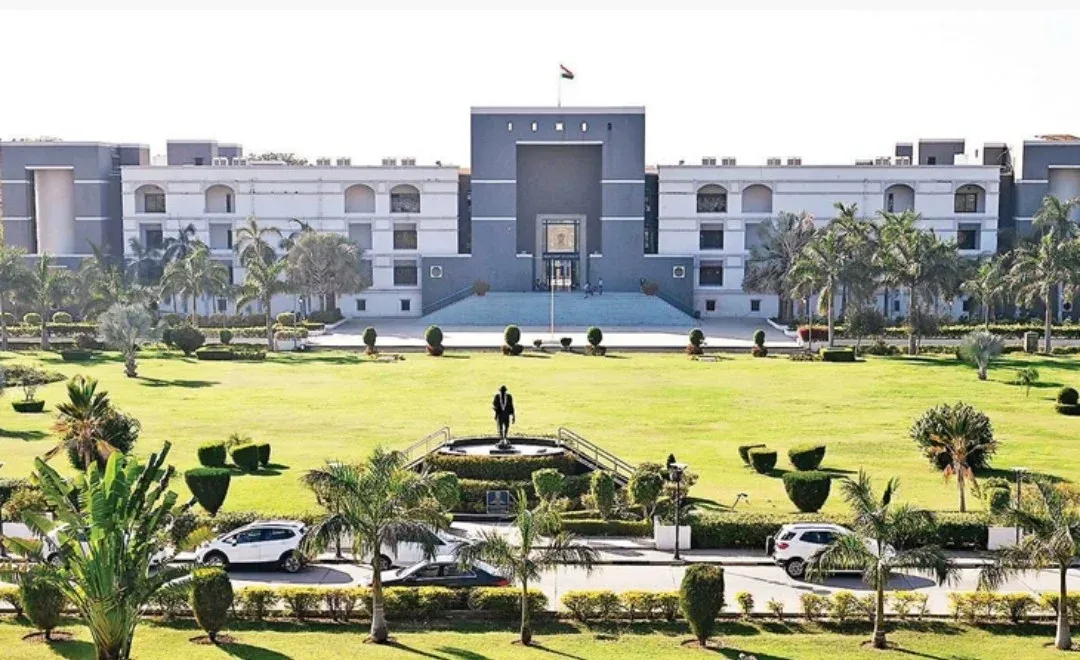
The Gujarat High Court has affirmed the dismissal of a former Judicial Magistrate First Class, Amratlal Narendrabhai Vizoda, ruling that his undisclosed financial dealings and covert communications with a practicing lawyer demonstrated a fatal lack of integrity.
A Division Bench comprising Justice N.S. Sanjay Gowda and Justice J.L. Odedra dismissed the officer's writ petition challenging his 2016 removal from judicial service. The disciplinary action originated from an inquiry into allegations that Vizoda used unregistered mobile connections, engaged in extensive phone contact with an advocate from the local bar, and bought vehicles and took a personal loan without notifying the High Court as mandated by service conduct rules.
While the Bench sustained the dismissal based on ethical breaches in his personal conduct, it drew a firm line between judicial errors and personal misconduct, holding that passing flawed judicial orders cannot form the basis of a disciplinary charge against a judge.
Legal Topic
Area of Law: Service Law and Administrative Law
Sub-topic: Judicial Conduct, Disciplinary Proceedings, and Subordinate Judiciary Oversight
Core Legal Issue
The central question before the Court was whether a judicial officer’s failure to report personal movable property transactions, combined with maintaining undisclosed mobile connections and communicating frequently with a practicing advocate, warranted the extreme penalty of termination from service.
The Bench also addressed whether disciplinary authorities can initiate departmental inquiries against a judge for committing procedural or legal mistakes while discharging judicial duties on the bench.
What Did the Court / Authority Decide?
The Division Bench dismissed the petition and upheld the disciplinary authority’s order removing the judicial officer from service. The Court ruled that judicial officers are expected to maintain an unblemished standard of propriety, and the petitioner's failure to disclose assets alongside his private interactions with an advocate directly damaged public trust in the judicial system.
At the same time, the Bench rejected the charge accusing the magistrate of misconduct for converting warrant cases into summons-trial cases. The Court clarified that an officer cannot be hauled up in departmental proceedings merely for passing an incorrect judicial order or deviating from procedural law, as such matters fall strictly within the domain of statutory appeals and revisions.
Because the remaining charges concerning undisclosed asset acquisitions, an unreported bank loan, and questionable private contacts were sustained by evidence, the Court held that dismissal was the only appropriate and proportionate punishment.
Key Legal Points
-
Disciplinary proceedings cannot be initiated over erroneous judicial orders; procedural mistakes made while discharging judicial functions must be addressed through the appellate hierarchy rather than departmental inquiries.
-
Judicial officers are under a strict obligation to maintain institutional distance from practicing advocates to prevent any impression of impropriety, and accepting communication devices or holding continuous private calls with counsel violates judicial ethics.
-
Statutory disclosure mandates under civil services conduct rules are mandatory; claiming routine vehicle allowances does not substitute formal intimation of acquiring movable assets.
-
Given the high degree of public trust reposed in the judiciary, proven compromises in personal integrity justify complete removal from service.
Relevant Law
-
Article 226 of the Constitution of India (High Court’s writ jurisdiction to review administrative and disciplinary decisions).
-
Article 235 of the Constitution of India (High Court’s supervisory control and disciplinary authority over the subordinate judiciary).
-
Gujarat Civil Services (Conduct) Rules, 1971 (Provisions governing mandatory declaration of movable assets, personal liabilities, and standards of official conduct).
-
Established principles governing judicial immunity and bona fide judicial decision-making.
Arguments of the Parties
Petitioner
-
The judicial officer contended that the departmental inquiry relied on unsustainable claims regarding corrupt practices and the receipt of bribes.
-
He argued that the acquisition of his vehicles was effectively known to the High Court administration because he routinely claimed official petrol allowances for them.
-
He maintained that procedural decisions taken during hearings, including adopting summons procedures, constituted regular exercises of judicial discretion that could not be treated as departmental misconduct.
Respondent
-
The High Court administration asserted that the petitioner failed to disclose major financial transactions, including vehicle purchases and a personal bank loan, directly violating mandatory service rules.
-
The administration produced call records demonstrating that the judicial officer maintained hundreds of private telephone calls with a practicing advocate using a phone arranged through that advocate.
-
It was argued that such clandestine arrangements and lapses in financial transparency fundamentally impaired the officer's credibility, making dismissal the only fitting outcome.
Why Does It Matter?
This judgment reinforces a critical boundary in Indian administrative and judicial service law. By ruling that procedural flaws in court orders cannot justify disciplinary action, the High Court shielded trial judges from administrative harassment over honest judicial mistakes, safeguarding judicial independence at the grassroots level.
At the same time, the ruling demonstrates that supervisory courts will show no leniency when it comes to personal probity. By holding that unexplained proximity to advocates and non-disclosure of personal assets constitute severe integrity failures, the decision sends an unmistakable warning across the subordinate judiciary regarding ethical vigilance and financial transparency.
Legal Takeaway
Judges cannot face departmental punishment for making legal or procedural mistakes in their court rulings, as those belong in appellate reviews. However, hiding personal financial transactions and engaging in clandestine private communications with practicing lawyers are grave integrity violations that warrant immediate dismissal.
Sources
Primary Source
-
High Court of Gujarat, Division Bench judgment in Amratlal Narendrabhai Vizoda v. State of Gujarat & Anr. (Special Civil Application No. 5211 of 2017).
Additional Sources
-
Gujarat Civil Services (Conduct) Rules, 1971.
-
Gujarat High Court Subordinate Judicial Service Disciplinary Framework.