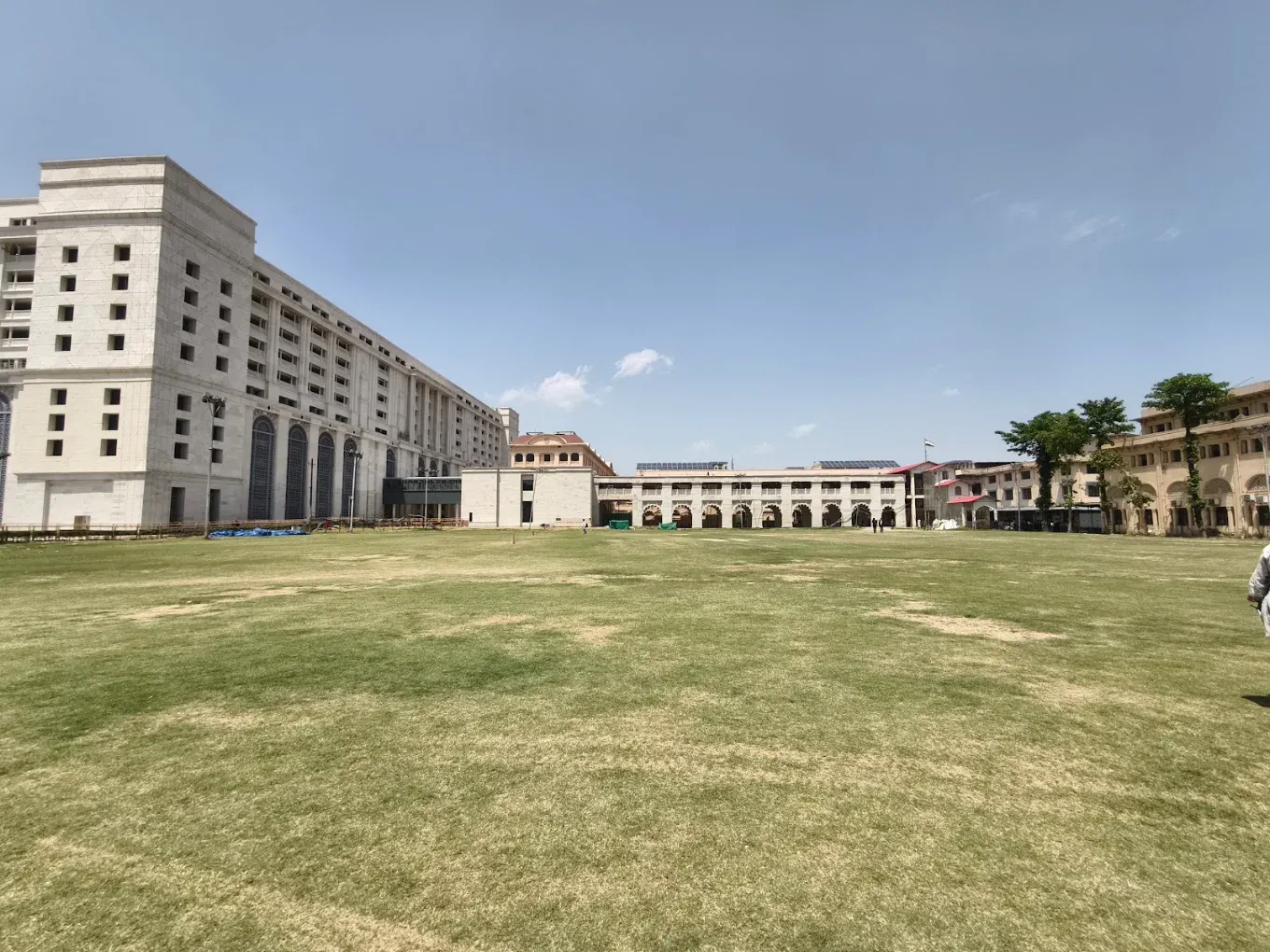
Delhi Gymkhana Dispute: High Court Red-Flags Parallel Litigation, Demands Clarity on Multi-Forum Claims
The Delhi High Court has stepped into the protracted governance conflict surrounding the Delhi Gymkhana Club, expressing acute concern over multiple proceedings being pursued simultaneously across different judicial forums. During recent proceedings, the bench flagged that overlapping legal challenges concerning the club's administration, management, and interim decisions were running concurrently before the High Court and company law tribunals.
To prevent conflicting orders and check potential abuse of judicial process, the Court directed the parties to submit a comprehensive breakdown of every active case, appeal, and application pending across all forums. The order brings renewed procedural scrutiny to a high-profile dispute that has pitted club members and former management against government-appointed administration and regulatory oversight.
Legal Topic
Area of Law: Corporate Law & Civil Procedure
Sub-topic: Multiplicity of Proceedings & Tribunal Jurisdiction
Core Legal Issue
The core legal question centers on whether litigants involved in an institutional management dispute can concurrently maintain writ or original petitions before the High Court while specialized company tribunals are actively seized of the club's broader administration.
At stake is the enforcement of forum discipline—specifically, determining whether pursuing parallel remedies across constitutional courts and specialized tribunals under the Companies Act constitutes impermissible forum shopping and multiplicity of litigation.
What Did the Court Decide?
The High Court refrained from ruling on the substantive governance dispute or the validity of internal administrative decisions at this stage. Instead, it focused squarely on untangling the web of concurrent proceedings.
The Court directed the parties to place on record an exhaustive status report detailing all pending cases, the specific forums before which they are listed—including the National Company Law Tribunal (NCLT) and appellate authorities—and the precise prayers sought in each. The bench stressed that parallel adjudication on overlapping grievances undermines judicial efficiency and risks contradictory findings. Substantive arguments on the merits remain deferred pending receipt of this multi-forum clarity.
Key Legal Points
-
Prohibition on Parallel Remedies: Courts will not permit parties to pursue identical or substantially overlapping relief in multiple judicial forums simultaneously.
-
Primacy of Forum Discipline: Where statutory tribunals are actively seized of an entity's administration, litigants owe a duty of full disclosure regarding all concurrent filings.
-
Prevention of Conflicting Rulings: Fragmenting a single corporate governance dispute across constitutional benches and specialized tribunals creates an unacceptable risk of contradictory judicial determinations.
-
Scrutiny Under Section 430: The statutory bar on civil court intervention in matters designated for company tribunals restricts collateral challenges when regulatory adjudication is already underway.
Relevant Law
-
Companies Act, 2013:
-
Section 241 & Section 242 (Application to Tribunal for relief in cases of oppression and mismanagement)
-
Section 430 (Civil court bar on jurisdiction regarding matters falling within the domain of the NCLT/NCLAT)
-
-
Constitution of India: Article 226 (High Court writ jurisdiction and the doctrine of exhausting alternative statutory remedies)
-
Code of Civil Procedure, 1908: Section 10 (Stay of suit / res sub judice) and inherent powers to prevent abuse of the court process
Arguments of the Parties
Petitioner / Aggrieved Members
The petitioners argued that recent administrative steps and governance determinations required urgent judicial scrutiny. They contended that direct recourse to the High Court was necessary to protect fundamental membership rights, address procedural irregularities, and secure timely equitable relief that existing tribunal schedules could not immediately accommodate.
Respondent / Regulatory & Administrative Representatives
The respondents submitted that the underlying dispute centers squarely on the management and governance of the club as a corporate entity under the Companies Act. They contended that initiating parallel actions in the High Court while the NCLT is actively seized of the matter amounts to impermissible forum shopping, arguing that all related grievances must be pursued exclusively within the designated statutory framework.
Why Does It Matter?
This development reinforces a critical procedural boundary in corporate and institutional litigation. Across India, parties embroiled in management battles frequently attempt a multi-pronged litigation strategy, filing writ petitions in constitutional courts alongside ongoing applications before the NCLT. The Delhi High Court’s firm insistence on mapping out every parallel filing signals that courts will actively police this practice.
For Section 8 companies, private clubs, and corporate entities undergoing regulatory restructuring, the message is unequivocal: litigants cannot bypass or duplicate tribunal proceedings by opening a second front in the High Court. Corporate practitioners must ensure full disclosure of all active proceedings to avoid adverse procedural orders or summary dismissals for suppressing forum overlap.
Legal Takeaway
Litigants cannot pursue simultaneous legal remedies across the High Court and specialized tribunals for overlapping governance disputes. Courts will enforce strict forum discipline, requiring full transparency on pending actions before entertaining claims on their merits.
Sources
Primary Source:
Delhi High Court judicial orders and proceedings in the Delhi Gymkhana Club litigation.
Additional Sources:
Reference report on Delhi High Court proceedings concerning the Delhi Gymkhana Club row.