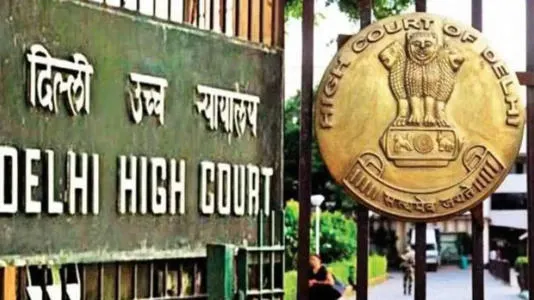
Constitutional Equality Forbids Preferential Listing: Supreme Court Declines Ex-Judge’s Plea to Fast-Track Allahabad High Court Matter
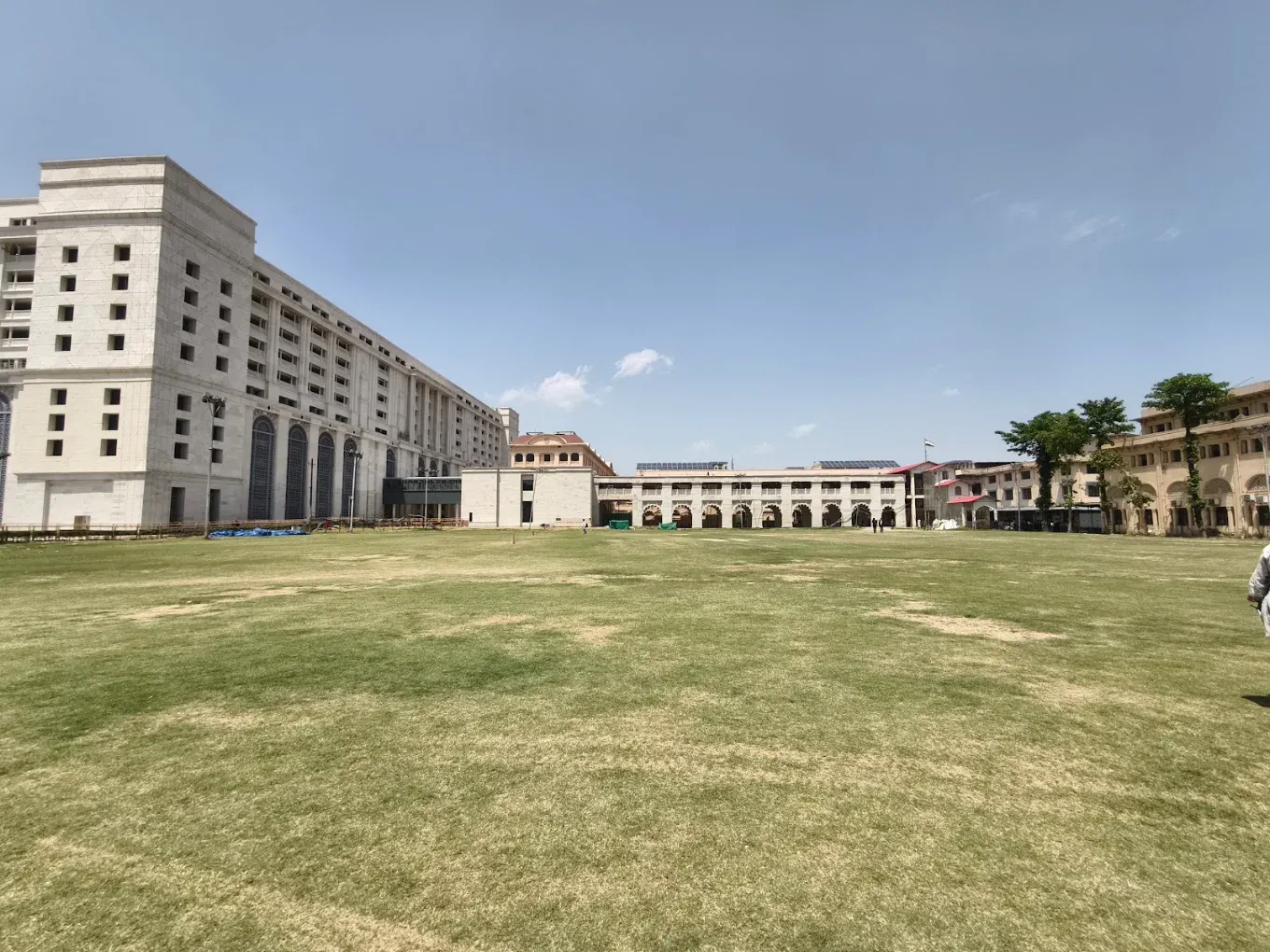
The Supreme Court of India refused to entertain a petition filed by a dismissed judicial officer seeking directions to expedite his long-pending case before the Allahabad High Court. A Division Bench comprising Justice Joymalya Bagchi and Justice V. Mohana firmly rejected the request to grant out-of-turn priority, holding that preferential listing mechanisms breach the core constitutional mandate of equal access to justice.
The former judicial officer had approached the apex court contending that an acute case backlog at the High Court had stalled the adjudication of his challenge against termination of service. Declining to step in, the Supreme Court emphasized that all litigants—regardless of their social standing or former office—stand on equal footing in the judicial queue.
Legal Topic
-
Area of Law: Constitutional Law & Civil Procedure
-
Sub-topic: Equal Access to Justice / Judicial Discretion in Case Docket Management
Core Legal Issue
The legal issue before the Court was whether the Supreme Court should invoke its extraordinary jurisdiction to direct a High Court to fast-track a specific pending proceeding delayed by systemic institutional pendency.
At its core, the issue tests the constitutional principle of equality under Article 14: whether granting expedited hearings to former judicial officers or high-ranking public servants unfairly prejudices ordinary citizens awaiting their turn before overburdened courts.
What Did the Court Decide?
The Supreme Court declined to entertain the petition and refused to issue any writ or order directing the Allahabad High Court to prioritize the matter.
The Bench observed that directing a High Court to jump the queue for an individual litigant would inflict clear unfairness on thousands of other citizens who have been waiting in line for adjudication. Clarifying that it will not make "individualistic interventions" in an arena governed by constitutional equality, the Court left it open for the petitioner to present his difficulties and seek an early listing directly before the Allahabad High Court. The substantive challenge to his dismissal remains pending before the High Court.
Key Legal Points
-
Non-Discriminatory Access to Justice: The Supreme Court reaffirmed that procedural fairness applies equally to everyone seeking legal remedies, noting that whether a litigant is a bus conductor or a Secretary of State, their entitlement to access justice remains identical.
-
Prohibition on Preferential "Queue-Jumping": The apex court made clear that it will not exercise its discretionary jurisdiction to create bespoke procedural advantages for specific individuals at the cost of the broader roster.
-
Prejudice to Ordinary Litigants: Accorded priority in one case inevitably delays other pending matters; granting ad-hoc preferences therefore compromises institutional fairness across the judicial system.
-
Preservation of High Court Docket Autonomy: Roster administration, prioritization, and listing schedules fall squarely within the domain of the High Court seized of the primary dispute.
Relevant Law
-
Article 14 of the Constitution of India: Guarantees equality before the law and equal protection of the laws, ensuring uniform treatment of litigants seeking legal redress.
-
Article 226 of the Constitution of India: High Court writ jurisdiction, under which the petitioner's substantive challenge against service termination is pending.
-
Article 136 of the Constitution of India: Discretionary special leave jurisdiction of the Supreme Court, which the Bench declined to exercise for administrative calendar intervention.
-
High Court Rules and Case Flow Management Guidelines: Procedural frameworks empowering High Courts to balance urgent listings against ordinary civil dockets.
Arguments of the Parties
Petitioner
Counsel for the former judicial officer argued that the writ petition challenging his termination had remained dormant for an extended period solely due to the massive volume of cases pending before the Allahabad High Court. The petitioner contended that an extended delay in adjudicating a livelihood and employment dispute caused undue hardship, justifying an intervention by the Supreme Court to mandate an expeditious hearing.
Bench Observations and Judicial Position
The Bench addressed the plea directly, noting that systemic judicial backlog affects litigants uniformly across the docket. The Court reasoned that prioritizing a former judicial officer simply because he approached the Supreme Court would create an unjustified class preference, directly disadvantaging countless everyday litigants who cannot approach the apex court merely to seek an earlier hearing date.
Why Does It Matter?
The ruling addresses a widespread and recurrent practice in Indian litigation: approaching the Supreme Court under Article 32 or Article 136 merely to secure a "time-bound disposal" order against an overburdened High Court or trial forum.
By declining this plea, the Supreme Court sent a direct signal against the commodification of procedural priority. Routine fast-tracking orders often disrupt High Court registries, forcing judges to hear petitions out of turn while ordinary citizens—many lacking the resources to litigate before the apex court—are pushed further back in line. The decision reinforces respect for High Court administrative autonomy and establishes that professional pedigree or former judicial office affords no fast-track privilege in the administration of justice.
Legal Takeaway
Access to justice is governed by constitutional equality, and the Supreme Court will not create individualized shortcuts to bypass routine court queues. Litigants facing systemic delays must move appropriate urgency applications before the High Court seized of the matter, as social or occupational status does not confer a legal right to leapfrog pending matters.
Sources
Primary Source:
-
Supreme Court of India, Record of Proceedings / Oral Observations before the Division Bench of Justice Joymalya Bagchi and Justice V. Mohana (Matter heard on October 1, 2026).
Additional Sources:
-
Legal News Report: Verdictum, "Bus Conductor Or Secretary Of State, Everyone Has Equal Right To Access Justice: Apex Court Refuses Expedited Hearing Of Judicial Officer's Plea Before HC" (Published October 1, 2026).