CJI Seeks Fact-Finding Probe Into Jharkhand High Court Judge; Justice Sujit Narayan Prasad Takes Over as Acting Chief Justice
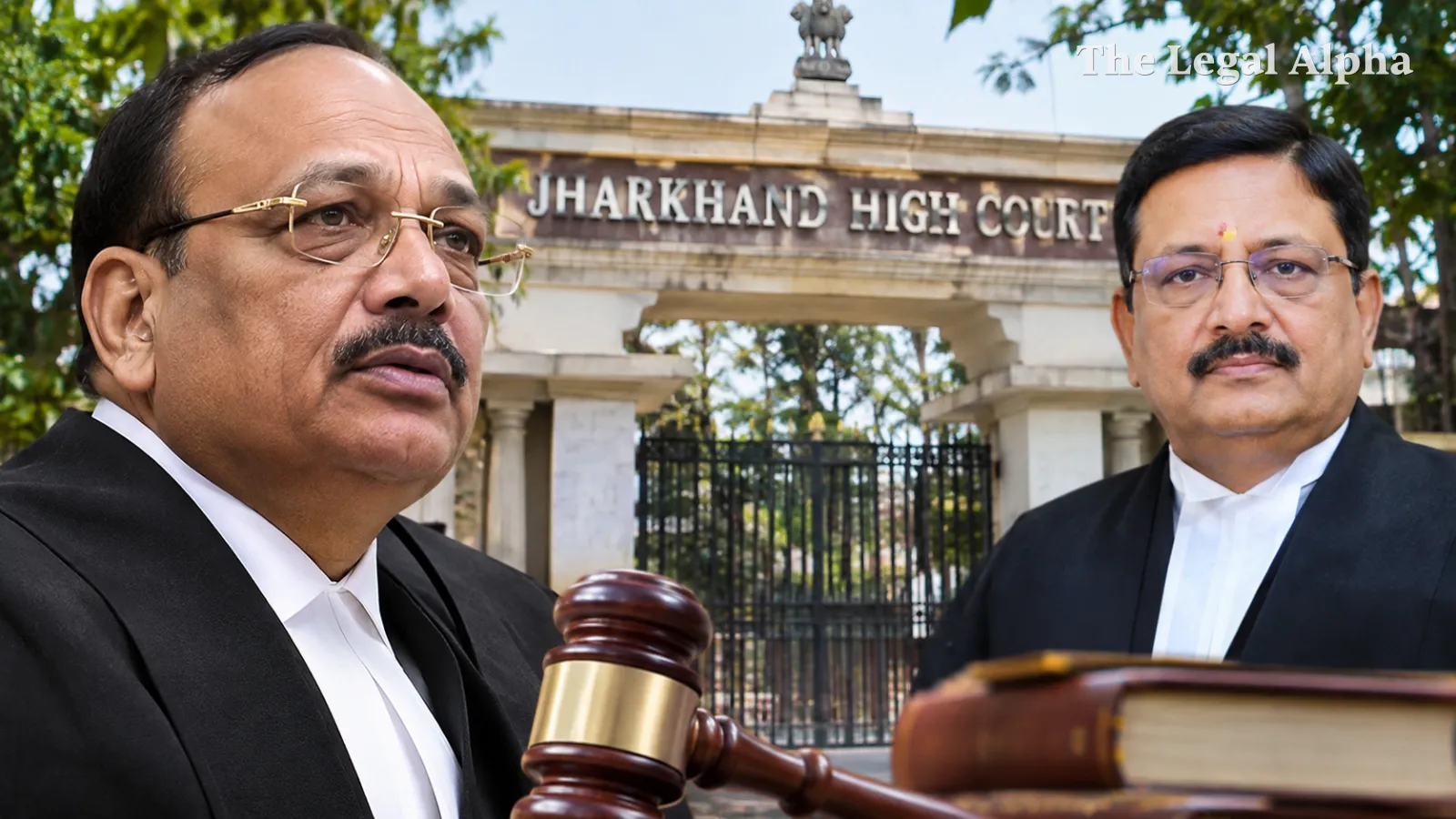
Chief Justice of India (CJI) Surya Kant reportedly sought a fact-finding inquiry into multiple complaints concerning the integrity of Justice Sujit Narayan Prasad of the Jharkhand High Court shortly before his appointment as the High Court's Acting Chief Justice.
According to reports published on November 28, 2026, the CJI had asked the then Chief Justice of the Jharkhand High Court, Justice Mahesh Sharadchandra Sonak, to examine the complaints and submit a report.
Justice Sonak retired on November 27, 2026. Justice Sujit Narayan Prasad was subsequently appointed Acting Chief Justice with effect from November 28, under Article 223 of the Constitution.
The development has drawn attention because the complaints against Justice Prasad reportedly involved documentary material submitted by multiple complainants. However, the precise nature of the allegations has not been publicly disclosed.
Legal Topic
Area of Law: Constitutional Law and Judicial Administration
Sub-topic: Judicial Accountability, In-House Inquiry Mechanism and Appointment of Acting Chief Justices.
Background of the Complaints Against Justice Sujit Narayan Prasad
Justice Sujit Narayan Prasad was elevated as an Additional Judge of the Jharkhand High Court on September 26, 2014. He was transferred to the Orissa High Court in March 2015 and subsequently repatriated to the Jharkhand High Court on November 22, 2018.
According to media reports, several complaints questioning his integrity reached the office of the Chief Justice of India. Some complainants reportedly submitted documentary material supporting their allegations.
The matter also reportedly reached Jharkhand Chief Minister Hemant Soren, who requested the CJI to examine the concerns.
The CJI subsequently sought a fact-finding report from Justice Sonak. However, neither the nature of the allegations nor any conclusions from the reported exercise have been officially disclosed.
What Did the CJI Direct?
The reported direction involved an examination of complaints received against Justice Sujit Narayan Prasad by the outgoing Chief Justice of the Jharkhand High Court.
The important developments are:
-
CJI Surya Kant reportedly sought a fact-finding report from Justice M.S. Sonak.
-
The complaints allegedly included supporting documentary material.
-
The nature and specific details of the allegations have not been publicly established.
-
The CJI's office has neither confirmed nor denied receiving the inquiry report, according to the reporting.
-
No adverse finding against Justice Prasad has been publicly established through this process.
It is important to distinguish between a preliminary fact-finding exercise and a final determination of misconduct. The reported inquiry does not itself establish any wrongdoing.
Justice Sujit Narayan Prasad Appointed Acting Chief Justice
Despite the reported inquiry, Justice Sujit Narayan Prasad was appointed Acting Chief Justice of the Jharkhand High Court following Justice Sonak's retirement.
The Ministry of Law and Justice issued a notification dated November 26, 2026, appointing him to discharge the duties of the office from November 28 under Article 223 of the Constitution.
The appointment followed the retirement of Justice Sonak on November 27.
Separately, the Supreme Court Collegium recommended Justice Vibhu Bakhru, Chief Justice of the Karnataka High Court, for appointment as the regular Chief Justice of the Jharkhand High Court.
Thus, Justice Prasad's appointment is an acting arrangement rather than a permanent appointment as Chief Justice.
Key Legal Points
-
Judicial accountability: Complaints concerning the conduct of constitutional court judges are dealt with through the judiciary's established in-house mechanism.
-
Fact-finding inquiry: The purpose of such an exercise is to examine specific allegations and assess whether further action is warranted.
-
Judicial independence: The mechanism seeks to address allegations against judges without compromising the independence of the judiciary.
-
Article 223: The Constitution empowers the President to appoint a High Court judge to perform the duties of Chief Justice when the office is vacant or its Chief Justice is unable to perform those duties.
-
No established misconduct: The existence of complaints or an inquiry cannot automatically be treated as proof of misconduct.
Relevant Law
Article 223 of the Constitution of India
Article 223 provides for the appointment of an Acting Chief Justice of a High Court when the office of Chief Justice is vacant or when the incumbent is unable to perform the duties of the office.
Supreme Court's In-House Procedure
The Supreme Court adopted an in-house procedure on December 15, 1999, to address complaints concerning the conduct of judges of the higher judiciary.
The mechanism provides an institutional process for examining complaints containing specific and verifiable allegations.
Restatement of Values of Judicial Life, 1997
The Supreme Court adopted principles governing judicial conduct, integrity and ethical standards for judges of the Supreme Court and High Courts.
Why Does It Matter?
The development raises important questions about judicial accountability, institutional transparency and the procedures followed when complaints are received against sitting High Court judges.
The in-house mechanism is particularly significant because judges enjoy constitutional protection and cannot be subjected to ordinary administrative disciplinary procedures in the same manner as government employees.
At the same time, the independence of the judiciary does not eliminate the need for appropriate mechanisms to examine credible complaints.
The appointment of an Acting Chief Justice while questions surrounding an earlier fact-finding exercise remain publicly unanswered also highlights the importance of clarity in judicial administration.
However, the reported complaints must not be treated as established findings against Justice Prasad. The distinction between allegations, preliminary inquiries and proven misconduct remains fundamental to judicial accountability.
Legal Takeaway
Complaints against judges must be examined through established judicial accountability mechanisms while preserving judicial independence and fairness. A fact-finding inquiry is not a finding of guilt, and allegations alone cannot establish misconduct. Article 223 separately provides the constitutional framework for appointing an Acting Chief Justice of a High Court.
Sources
Primary Sources:
-
Government of India, Ministry of Law and Justice, notification dated November 26, 2026, appointing Justice Sujit Narayan Prasad as Acting Chief Justice under Article 223.
Official website of the Jharkhand High Court – judicial profile of Justice Sujit Narayan Prasad.Department of Justice, Government of India, parliamentary response concerning the in-house mechanism for complaints against judges.
Additional Sources: