Bombay High Court Allows Tata Sons Board Meeting Amid Governance Dispute With Tata Trusts
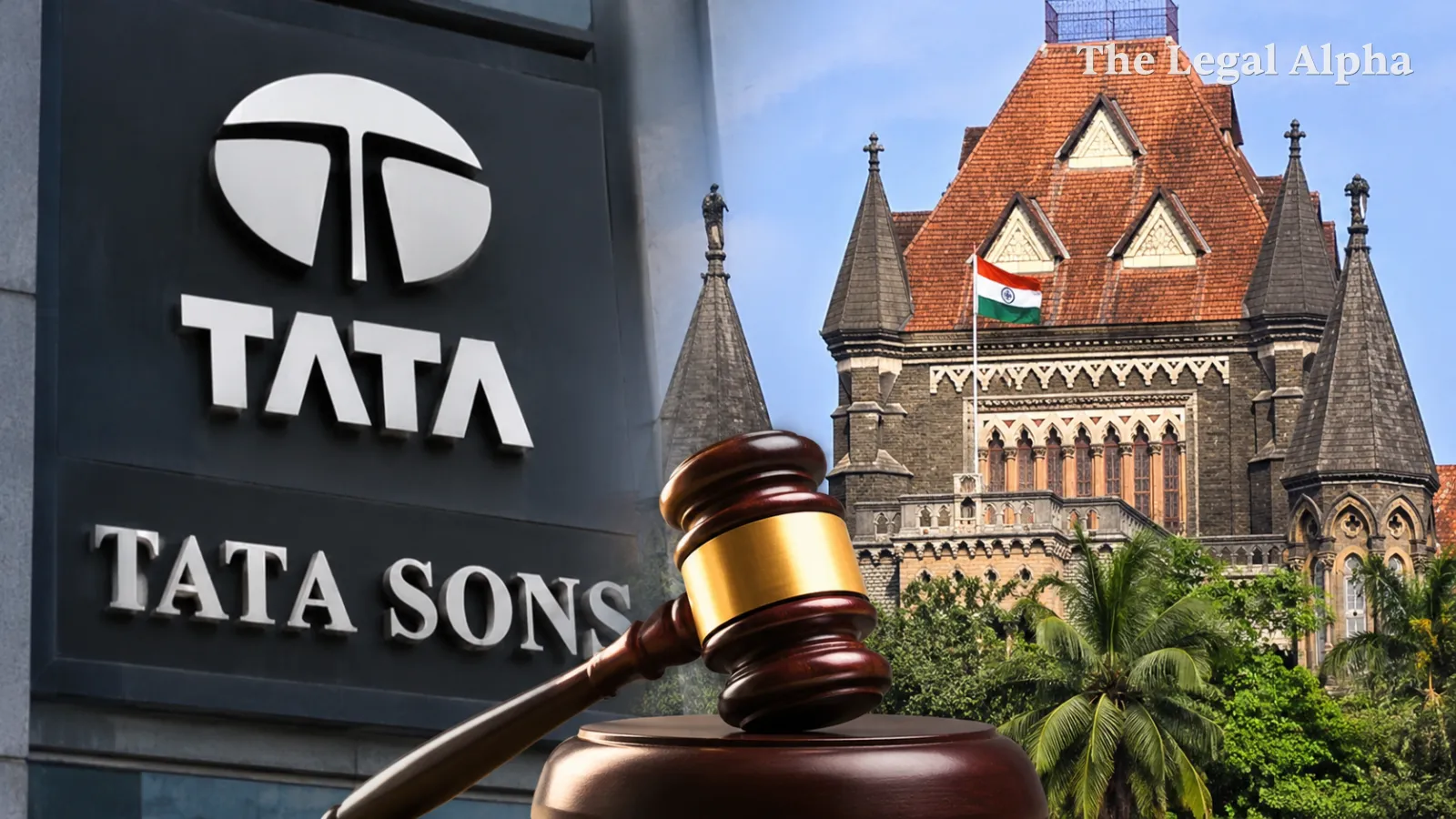
The Bombay High Court has declined to interfere with Tata Sons' November 30, 2026 board meeting, rejecting an urgent request by two Tata Trusts to postpone or restrain the meeting amid an ongoing dispute over corporate governance and the reappointment of N Chandrasekaran as Executive Chairman.
Justice Abhay Ahuja allowed the meeting to proceed but clarified that any decisions or resolutions taken during it would remain subject to the final outcome of the pending court proceedings.
The dispute involves Sir Dorabji Tata Trust and RD Tata Trust, which have challenged a September 17 board resolution approving Chandrasekaran's reappointment for another five-year term beginning February 21, 2027.
Legal Topic
Area of Law: Corporate Law
Sub-topic: Corporate Governance, Board Decision-Making and Interpretation of Articles of Association
Core Legal Issue
The central legal question concerns whether Tata Sons' Articles of Association require an affirmative majority among Trust-nominated directors before certain important board decisions can be approved.
The dispute also raises the question of whether the chairman's casting vote can resolve a disagreement between Trust-appointed directors when the company's internal governance provisions require their affirmative support.
What Did the Court Decide?
The Bombay High Court refused to grant interim relief to the Tata Trusts and permitted Tata Sons to proceed with its scheduled November 30 board meeting.
The Court directed the parties to file their responses to the pending proceedings and clarified that decisions taken at the meeting would remain subject to the outcome of the petitions.
The matter has been listed for further hearing on January 21, 2027.
Importantly, the Court has not yet determined whether the September 17 resolution reappointing Chandrasekaran was legally valid or whether the chairman's casting vote was properly exercised. Those issues remain open for adjudication.
Key Legal Points
-
The Tata Trusts have challenged the September 17 resolution approving N Chandrasekaran's reappointment for another five-year term.
-
The dispute centres on Articles 104B and 121 of Tata Sons' Articles of Association, concerning the role and voting rights of Trust-nominated directors.
-
The Trusts contend that a chairman's casting vote cannot override the affirmative voting requirements applicable to their nominated directors.
-
Tata Sons maintains that the company must be allowed to function without being paralysed by disagreements among its board members.
-
The November 30 board meeting can proceed, but its decisions will remain subject to the final outcome of the court proceedings.
Relevant Law
Articles 104B and 121 of Tata Sons' Articles of Association: These provisions are central to the dispute concerning the representation and affirmative voting rights of Trust-nominated directors.
Companies Act, 2013: The statutory framework governing company management, board functioning and directors' responsibilities forms part of the broader corporate governance context.
Maharashtra Public Trusts Act, 1950: Section 50 was also referred to during the proceedings in connection with questions concerning the Trusts' authority and the institution of proceedings.
Arguments of the Parties
Tata Trusts
Representing the Trusts, Senior Advocate Abhishek Manu Singhvi argued that the company's Articles of Association were designed to protect the interests of the Trusts, which collectively hold a substantial stake in Tata Sons.
The Trusts contended that the affirmative voting requirement could not be defeated through the exercise of a chairman's casting vote when one of the Trust-nominated directors had opposed the resolution.
Senior Advocates Mukul Rohatgi and Aspi Chinoy also challenged the manner in which the casting vote had been exercised, arguing that it undermined the protections contained in the company's Articles of Association.
Tata Sons and N Chandrasekaran
Senior Advocate Harish Salve, appearing for Tata Sons and Chandrasekaran, opposed the request for interim relief.
He argued that disagreements between the Trust-appointed directors should not prevent the company from carrying out its corporate responsibilities. He also referred to the company's regulatory obligations concerning the Reserve Bank of India's requirements for upper-layer non-banking financial companies.
The respondents maintained that preventing the board meeting could obstruct important corporate decisions and affect the company's ability to comply with regulatory requirements.
Why Does It Matter?
The dispute raises important questions about the relationship between shareholder influence and the independent functioning of a company's board.
Tata Trusts hold a significant ownership interest in Tata Sons, making the interpretation of their governance rights particularly important. The case highlights how provisions in a company's Articles of Association can influence board decisions, especially when nominated directors disagree.
The proceedings also carry wider implications for corporate governance in closely held companies where institutional or controlling shareholders have special representation rights.
The immediate decision allows Tata Sons to continue with its scheduled board business. However, the Court's clarification ensures that proceeding with the meeting does not settle the underlying legal dispute or place its decisions beyond judicial scrutiny.
Legal Takeaway
The Bombay High Court's refusal to grant interim relief allows Tata Sons to proceed with its November 30 board meeting, but it does not determine the legality of the disputed September 17 resolution. The interpretation of Articles 104B and 121, particularly the relationship between affirmative voting requirements and a chairman's casting vote, remains a central question for the final adjudication.
Sources
Primary Source: Bombay High Court proceedings before Justice Abhay Ahuja. The complete court order was not independently available for verification.
Additional Sources:
-
Bar & Bench – Report on the Bombay High Court proceedings, November 27, 2026.
-
LiveLaw – Report on interim relief in the Tata Trusts' challenge.
-
The Indian Express – Report on the November 30 board meeting and the corporate governance dispute.