No Mid-Poll Interference: Andhra Pradesh High Court Rejects Plea to Extend Municipal Election Nomination Window
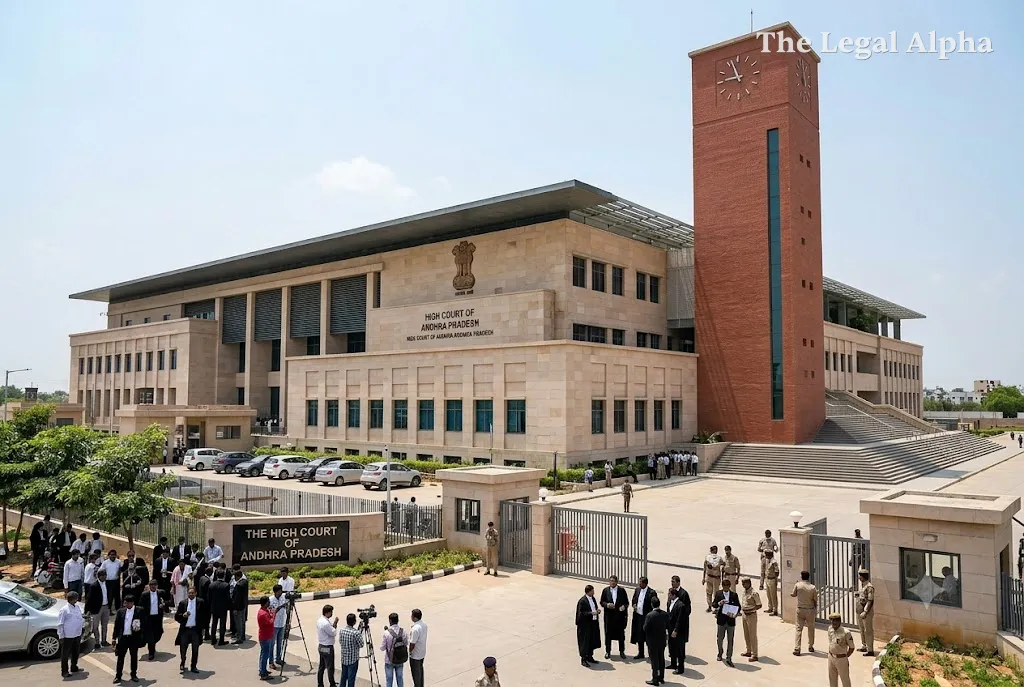
The Andhra Pradesh High Court declined to direct the State Election Commission (SEC) to extend the deadline for submitting nomination papers in the ongoing urban local body elections.
A Division Bench comprising Justice N. Jayasurya and Justice Chinthala-pudi Purushotham Kumar dismissed an interim petition moved by Yuvajana Sramika Rythu Congress Party (YSRCP) State General Secretary Lella Appi Reddy. The petitioner sought an additional day to file nominations, arguing that candidates in several areas faced disruption and could not submit their documents before the cut-off. The court concluded that altering statutory deadlines midway through an active election cycle would amount to unlawful judicial disruption.
Legal Topic
Area of Law: Election Law / Constitutional Law
Sub-topic: Judicial Non-Interference in Ongoing Poll Schedules / Local Body Elections
Core Legal Issue
The dispute examined the threshold of constitutional restraint under Article 226 of the Constitution of India when asked to modify an active election timetable.
The court had to resolve whether high courts can invoke writ jurisdiction to alter nomination deadlines and compel the State Election Commission to adjust polling machinery once the formal election notification has been promulgated and the scheduled cut-off hour has expired.
What Did the Court / Authority Decide?
The Division Bench dismissed the interlocutory plea seeking a one-day extension for nomination submissions, noting that the deadline expired at 3:00 PM on Sunday. The bench observed that issuing a writ to prolong the nomination window would disturb the subsequent phases of the gazetted calendar—including scrutiny and withdrawal—and amount to impermissible interference in the election machinery.
While denying immediate relief against the nomination timeline, the court instructed the SEC and the state government to place their formal counter-affidavits on record regarding the primary appeal and listed the main matter for further hearing on October 26.
Key Legal Points
-
Doctrine of Non-Interference Once Process Commences: Courts consistently avoid altering timelines or inserting procedural milestones after the issuance of an election notification, preserving the sanctity of published schedules.
-
Integrity of Downstream Timelines: Granting unilateral extensions for nomination submissions creates a cascading delay that disrupts scrutiny dates, withdrawal windows, and ballot preparation.
-
Discretion of the Election Watchdog: Regulating logistical deadlines and managing local administrative hurdles falls within the statutory authority of the State Election Commission and district election officers, not extraordinary writ directions.
-
Separation of Interim Relief from Substantive Challenges: Dismissal of the urgent interim request to reset the clock does not preclude the court from examining broader administrative and constitutional issues raised in the main appeal.
Relevant Law
-
Article 243-ZA of the Constitution of India: Governs elections to municipalities and vests superintendence, direction, and control in the State Election Commission.
-
Article 243-ZG of the Constitution of India: Places a constitutional bar on judicial interference in municipal electoral matters once the election process is set in motion.
-
Article 226 of the Constitution of India: High Court writ jurisdiction, circumscribed by self-imposed and constitutional limitations during active electoral exercises.
-
Relevant State Municipal Acts and Rules: Regulating urban local body nomination procedures, scrutiny periods, and final candidate lists.
Arguments of the Parties
Petitioner / Appellant
Appearing for the petitioner, Senior Advocate S. Sriram submitted that several party candidates were obstructed from filing their nomination papers due to local disruptions and security challenges. The petitioner argued that extending the filing deadline by a single day or facilitating filings through special counters at district collectorates was necessary to ensure free, fair, and inclusive participation.
Respondent / State Election Commission
Counsel appearing for the State Election Commission, N. Ashwani Kumar, countered that the nomination phase had drawn to a statutory close at the designated hour. The Commission contended that any judicial direction modifying the cutoff would derail the entire published election calendar, impacting scrutiny and subsequent statutory stages.
Why Does It Matter?
This ruling reaffirms long-standing judicial precedent regarding urban local body and panchayat elections: writ courts will not micromanage or extend procedural windows once an election notification is alive.
For political organizations and prospective candidates, it reinforces that administrative grievances or inter-party clashes during nomination windows cannot be resolved through last-minute writ extensions that shift gazetted polling calendars. Post-election election petitions remain the constitutionally designated remedy for disputes concerning improper rejections or disenfranchisement.
Legal Takeaway
High courts will not invoke writ powers to alter election timetables or extend nomination cut-offs once the polling schedule is underway. Aggrieved political candidates must adhere strictly to notified statutory deadlines, as judicial intervention that risks stalling the electoral machinery is barred by constitutional design.
Sources
Primary Source:
Order of the High Court of Andhra Pradesh in the House Motion / Interlocutory Application arising out of Writ Appeal against the Single Bench Order dated October 15, 2026 (Coram: Justice N. Jayasurya and Justice Chinthala-pudi Purushotham Kumar).
Additional Sources:
-
Andhra Pradesh State Election Commission Notifications for Urban Local Body Elections (October 2026).
-
State Media Bulletins and Court Filings reported via The New Indian Express, Andhra Jyothy, and The Hans India (October 18–19, 2026).