Constitutional Probity and Executive Discretion: Sikkim Bar Urges President to Defer Governor Swearing-In Over Ongoing Controversy
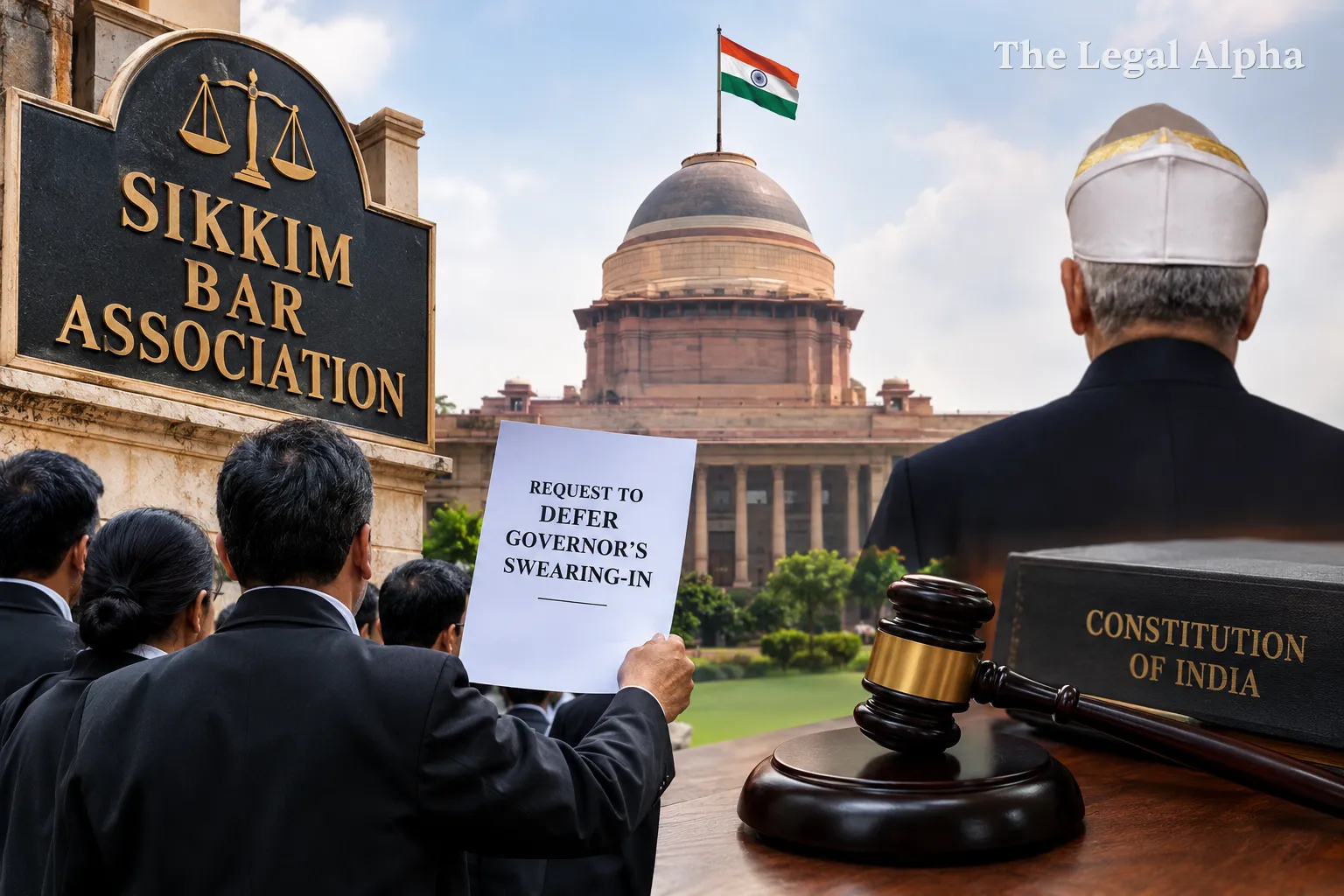
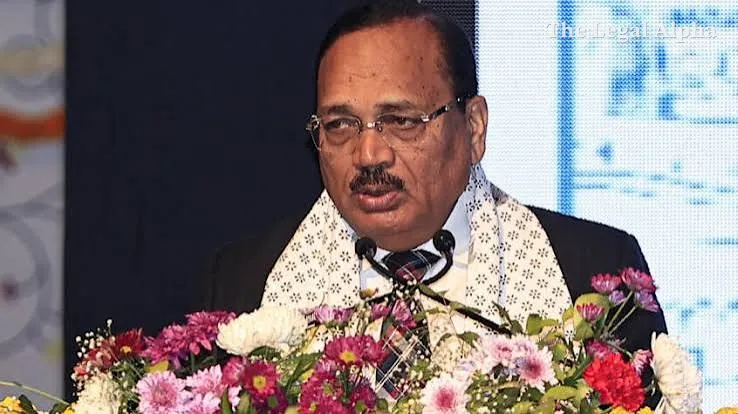
The Bar Association of Sikkim has addressed an urgent representation to President Droupadi Murmu, petitioning the Union Executive to stay the scheduled swearing-in ceremony of Governor-designate Dushyant Kumar Gautam. Gautam was appointed on October 12, 2026, to succeed Om Prakash Mathur as the state's constitutional head.
The legal fraternity's intervention follows political and civil society pushback surrounding Gautam’s alleged link to controversies involving the 2022 Ankita Bhandari murder case. The lawyers' body underscored that while criminal guilt remains strictly within the province of the judiciary, the constitutional dignity of the gubernatorial office demands that an appointee remain unclouded by unresolved legal and moral suspicion in the public eye.
Legal Topic
-
Area of Law: Constitutional Law
-
Sub-topic: Executive Appointments, Constitutional Conventions, and Public Probity
Core Legal Issue
The controversy centres on whether executive discretion in making high constitutional appointments under Article 155 is subject to extra-statutory norms of public probity, institutional sanctity, and moral fitness.
At a broader jurisprudential level, the issue concerns the degree of restraint expected from the President when an appointee faces unresolved allegations, and whether civil bodies such as bar associations have constitutional standing to advocate for pre-oath deferral in the absence of a formal statutory disqualification.
What Did the Court / Authority Decide?
The Bar Association of Sikkim has not filed a formal writ petition in court; rather, it has invoked the administrative and constitutional authority of the President through a formal memorandum.
The representation explicitly seeks an immediate deferral of the oath-taking ceremony scheduled at Lok Bhawan in Gangtok. As of the issuance of the memorandum, the Union Government and the Rashtrapati Bhavan have not passed any formal order revoking or staying the warrant of appointment, and the matter remains an active administrative and political representation.
Key Legal Points
-
Constitutional Pre-conditions vs. Moral Standing: While the formal requirements under the Constitution demand only citizenship and a minimum age of 35, legal jurisprudence increasingly emphasises institutional morality and public confidence as implicit prerequisites for gubernatorial dignity.
-
Separation of Judicial Determination and Institutional Propriety: The Bar Association explicitly drew a distinction between finding an individual guilty of an offence—which belongs solely to criminal courts—and protecting constitutional offices from perceived loss of public trust during active controversies.
-
Presumption of Innocence vs. Public Probity: The development brings into sharp relief the tension between an individual’s presumption of innocence under criminal law and the higher benchmark of integrity required for holding sovereign representative office.
-
Finality of Presidential Warrant: Once the President issues a warrant under Article 155, the formal legal mechanics provide limited executive mechanisms for stalling the oath under Article 159 short of presidential recall or voluntary relinquishment.
Relevant Law
-
Article 155, Constitution of India: Appointment of the Governor by the President by warrant under hand and seal.
-
Article 157, Constitution of India: Qualifications for appointment as Governor (Indian citizenship and completion of 35 years of age).
-
Article 159, Constitution of India: Oath or affirmation by the Governor before entering office, administered by the Chief Justice of the High Court.
-
B.R. Kapur v. State of Tamil Nadu (2001): Landmark Supreme Court ruling on constitutional morality, establishing that constitutional appointments cannot bypass fundamental integrity requirements and constitutional conventions.
Arguments of the Parties
The Bar Association of Sikkim The association contended that the Governor serves as the vital link between the Union and the State, holding an office that demands absolute institutional reverence. They submitted that proceeding with the oath-taking amid an unresolved controversy risks eroding public trust and causing distress among citizens, particularly in a peaceful border state like Sikkim. Crucially, the Bar stated it was not prejudging guilt, but argued that constitutional probity necessitates freezing the swearing-in until all clouds of suspicion are dispelled.
The Executive and Appointee Position While the central government has maintained Gautam’s valid designation, established administrative conventions dictate that mere allegations or political accusations not solidified into charges or convictions do not operate as a legal disqualification under Articles 157 and 158 of the Constitution. Proponents of the appointment view the process as a completed constitutional exercise under executive discretion.
Why Does It Matter?
This development highlights the ongoing struggle between formal legal qualification and institutional propriety in executive appointments. The position of Governor is not merely administrative; it is a repository of discretionary constitutional power and moral authority.
When regional bar associations and civil institutions challenge political appointments before the oath is administered, it stresses the principle that constitutional governance relies as heavily on conventions and public legitimacy as on the black letter of the law. If sustained, such representations heighten public scrutiny on how the Union selects nominees for Raj Bhavans and could encourage legal challenges examining the justiciable limits of gubernatorial appointments.
Legal Takeaway
Statutory eligibility alone does not automatically shield high executive appointments from demands of institutional integrity and public confidence. While a lack of criminal conviction keeps an appointee legally qualified, constitutional conventions often impose an informal yet potent standard of public probity before an individual can legitimately assume high state office.
Sources
Primary Source:
-
Urgent Representation / Memorandum submitted by the Bar Association of Sikkim to the President of India (October 2026).
Additional Sources:
-
Constitution of India (Articles 155, 157, 158, and 159).
-
Official Press Release and Coverage, Sikkim Express (October 19, 2026).
-
Asian News International (ANI) Dispatch on Lok Bhawan Swearing-In Protocol (October 16, 2026).