Bombay High Court to Examine Due Process in Exit Notice Issued to US Citizen and OCI Cardholder Imran Khan
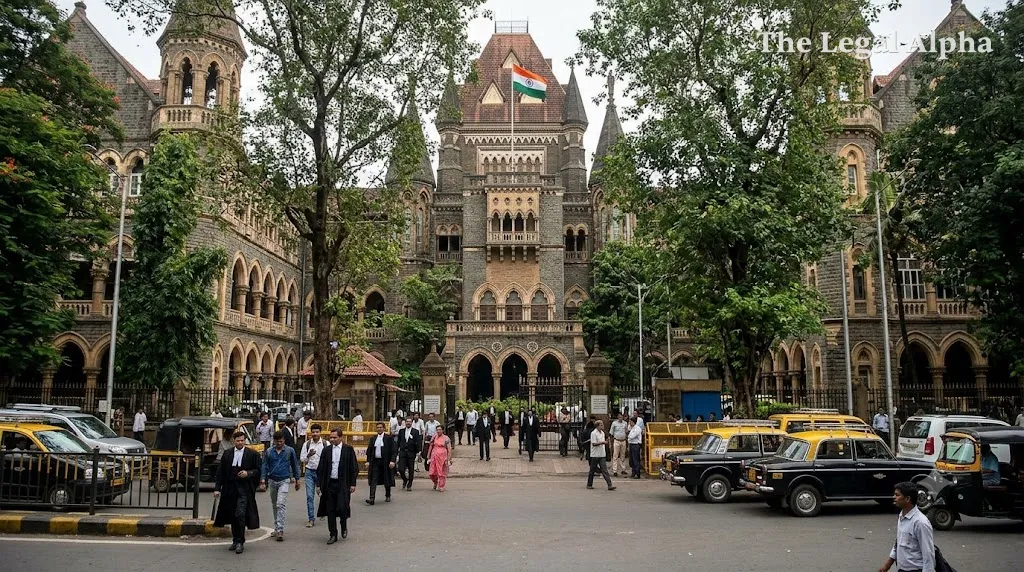
The Bombay High Court has scheduled a hearing for October 26 to consider a writ petition filed by actor Imran Khan, who is challenging a summary exit directive issued by immigration authorities.
The Foreigners Regional Registration Office (FRRO) served Khan with a notice ordering him to exit India on or before October 28. The administrative action arose after Khan was briefly detained during a demonstration at Mumbai's August Kranti Maidan relating to electoral roll revisions, following which complaints were submitted asserting that as an overseas national, his participation in domestic political agitation breached statutory entry and residency conditions. Khan, a United States citizen holding Overseas Citizen of India (OCI) status, approached the High Court seeking to quash the order on grounds of procedural illegality and lack of natural justice.
Legal Topic
-
Area of Law: Immigration & Constitutional Law
-
Sub-topic: Rights of OCI Cardholders / Principles of Natural Justice & Deportation Orders
Core Legal Issue
The primary legal controversy centers on whether the central government and immigration authorities can issue a summary, non-speaking "Leave India" notice to an OCI cardholder without providing specific reasons, disclosing adverse material, or affording a prior opportunity of being heard.
The court must assess the procedural boundaries of executive power under immigration statutes and determine the extent to which procedural fairness and constitutional guarantees under Articles 14 and 21 extend to foreign nationals and OCI cardholders residing in India.
What Did the Court / Authority Decide?
The Bombay High Court has placed the petition for hearing on October 26 to consider the challenge prior to the expiry of the October 28 departure deadline.
The High Court has not yet made a definitive determination on the merits or formally quashed the notice. The underlying exit directive remains challenged while the court prepares to hear arguments regarding interim protection and the procedural propriety of the FRRO's actions.
Key Legal Points
-
Applicability of natural justice principles, specifically the rule of audi alteram partem, prior to issuing adverse departure directions against foreign nationals legally residing in India.
-
The legal distinction between regular foreign visa holders and Overseas Citizen of India (OCI) cardholders, particularly regarding statutory safeguards governing the cancellation of status or expulsion.
-
The requirement for administrative orders entailing civil consequences to be speaking orders that articulate clear reasons and identifiable statutory contraventions.
-
The territorial extent of constitutional protections under Article 14 (equality before law) and Article 21 (protection of life and personal liberty) available to non-citizens.
Relevant Law
-
The Constitution of India: Article 14 (Equality before Law) and Article 21 (Protection of Life and Personal Liberty)
-
The Citizenship Act, 1955: Section 7D (provisions governing cancellation of registration as an Overseas Citizen of India Cardholder)
-
Immigration and Foreigners Regulatory Framework: Statutory provisions authorizing central executive authorities to restrict, regulate, or prohibit the continued presence of foreigners in India
Arguments of the Parties
Petitioner (Imran Khan) The petitioner argued that the impugned notice is arbitrary, unreasoned, and violative of the principles of natural justice because it failed to disclose the underlying grounds, evidence, or specific legal provisions allegedly breached. He contended that as an OCI cardholder, his statutory and constitutional protections under Articles 14 and 21 cannot be summarily revoked through punitive executive action without a fair hearing. Furthermore, Khan submitted that he was not an organizer of the protest and had been detained while merely standing in the vicinity, maintaining that no lawful basis exists to mandate his immediate departure.
Respondent / Authorities The authorities contended that immigration control and the regulation of foreign nationals remain an executive prerogative guided by statutory mandates governing foreigners. The position maintained in regulatory complaints indicates that foreign passport holders are bound by specific conditions of entry and presence, which restrict foreign citizens from engaging in domestic political demonstrations, thereby empowering the FRRO to direct departure upon an alleged contravention.
Why Does It Matter?
This development highlights the balance between sovereign immigration control and judicial review of administrative action in India. While the State exercises broad discretionary authority over the entry, regulation, and exit of non-citizens, this matter tests whether summary expulsion orders must still comply with basic administrative fairness.
For the wider community of OCI cardholders and foreign nationals residing in India, the High Court’s eventual findings will offer critical guidance on whether authorities are required to disclose adverse reports and provide an opportunity to respond before issuing drastic departure orders that carry immediate personal and professional consequences.
Legal Takeaway
Administrative directions requiring an individual to leave the country carry severe civil consequences and must adhere to minimum standards of procedural fairness. Even when exercising broad regulatory powers over foreign nationals, executive bodies are expected to provide intelligible grounds and satisfy basic constitutional benchmarks of fairness before ordering summary departure.
Sources
Primary Source:
-
High Court of Judicature at Bombay, Writ Petition filed by Imran Khan Pal v. Union of India & Ors., listed for consideration on October 26, 2026.
Additional Sources:
-
Notice issued by the Foreigners Regional Registration Office (FRRO), Bureau of Immigration, Ministry of Home Affairs, directing departure by October 28, 2026.