AISA President Neha Bora Approaches Delhi High Court Challenging Police Notice Demanding Peace Bond
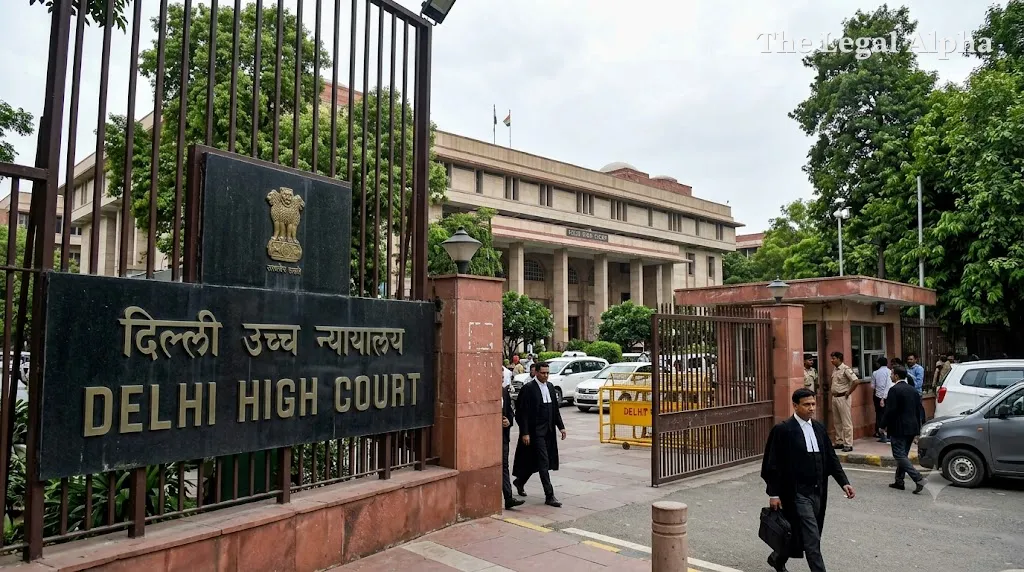
All India Students’ Association (AISA) national president Neha Bora has moved the Delhi High Court seeking to quash a show-cause notice issued by a Special Executive Magistrate (SEM) of the Delhi Police. The notice directed her to appear before the magistrate and furnish a personal peace bond of ₹10,000 along with a surety to maintain public peace during the course of an inquiry.
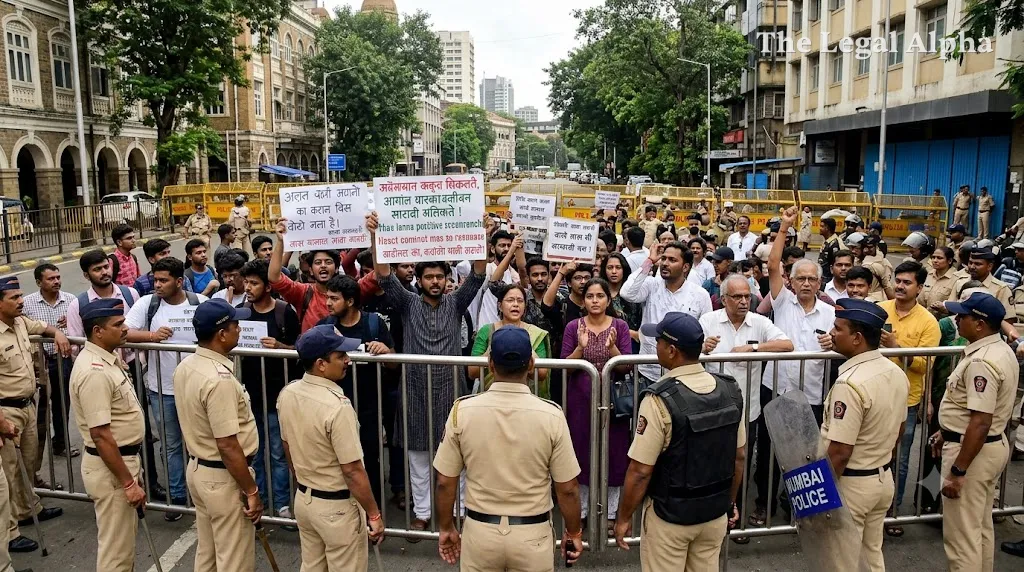
The administrative action stems from Bora’s detention near Mandi House during demonstrations organized against the Special Intensive Revision (SIR) and related governance issues. Bora was released after an overnight detention, following which the police instituted preventive proceedings, citing apprehensions of breach of public peace and alleged defiance of prohibitory orders. Bora has challenged the entire proceeding as an arbitrary use of preventive powers aimed at suppressing legitimate student activism.
Legal Topic
-
Area of Law: Criminal Procedure / Constitutional Law
-
Sub-topic: Preventive Justice / Show-Cause Notices and Right to Peaceful Assembly
Core Legal Issue
The petition questions whether an Executive Magistrate can invoke preventive peace-bond mechanisms against a citizen without establishing tangible, objective material showing an imminent threat of a breach of public peace or tranquility.
At the heart of the challenge is whether vague allegations of participation in demonstrations and generic references to prohibitory orders fulfill the statutory requirement for issuing preliminary show-cause orders under preventive criminal jurisprudence, or whether such measures constitute an unconstitutional curb on fundamental freedoms guaranteed under Articles 19 and 21 of the Constitution.
What Did the Court / Authority Decide?
The underlying show-cause notice was issued by the Special Executive Magistrate, New Delhi District, ordering Bora to appear on October 19 and execute the ₹10,000 bond with a surety.
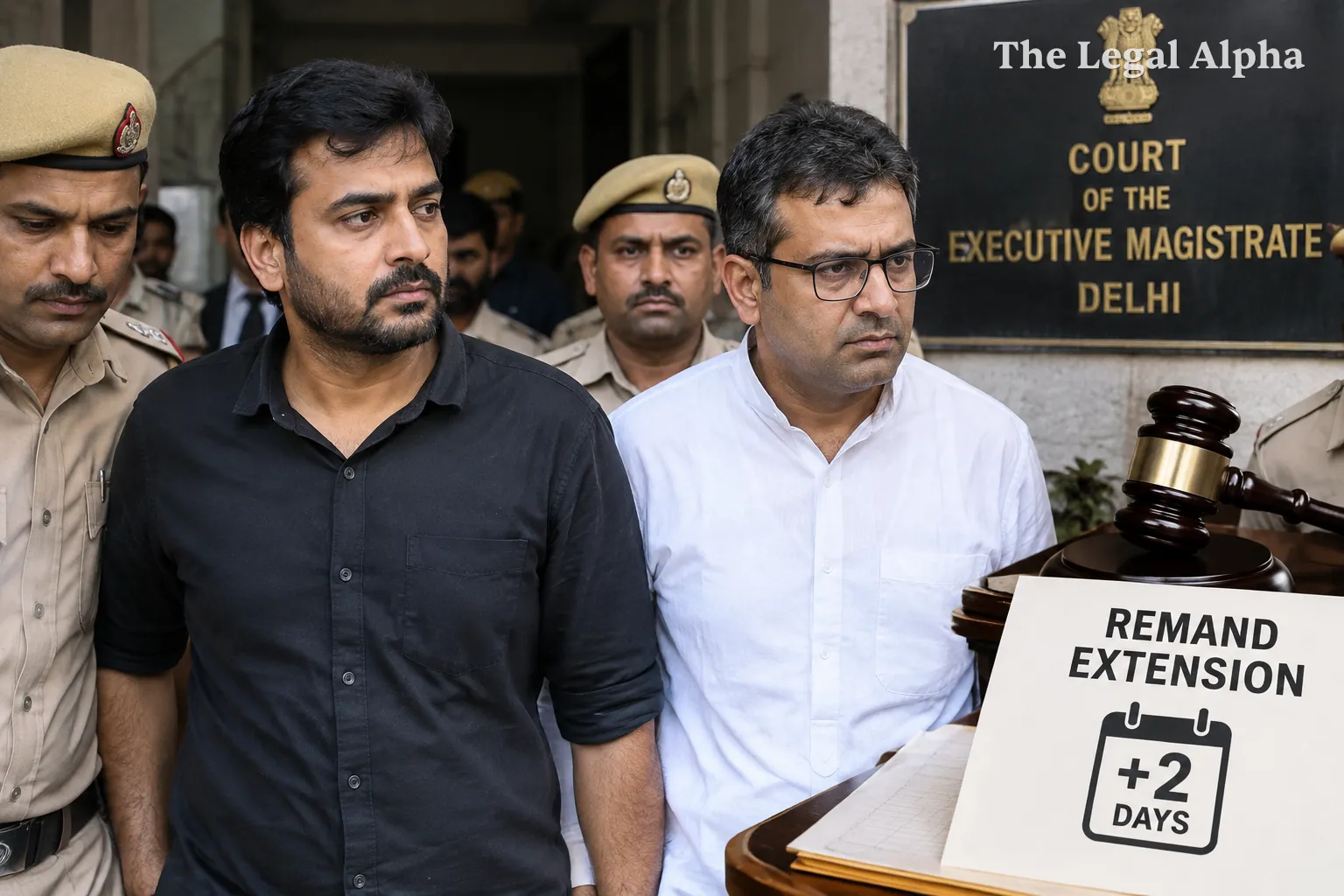
The Delhi High Court has not yet made a definitive determination on the merits. Bora’s legal counsel moved the court seeking an urgent listing before a vacation bench, as the High Court is currently closed for the Dussehra break. The petition seeks an immediate stay and quashing of the show-cause proceedings, alongside protection against any coercive measures while the matter remains sub judice.
Key Legal Points
-
Objective Threshold for Preventive Action: Preventive provisions cannot be invoked mechanically; authorities must demonstrate credible information indicating an actual likelihood that the individual will cause a breach of peace or disturb public order.
-
Statutory Specificity of Show-Cause Orders: An order demanding security under procedural law must articulate the specific substance of the information received, ensuring the noticee can adequately respond rather than defend against vague generalities.
-
Constitutional Safeguards over Executive Powers: The exercise of magistrate powers under preventive chapters must balance administrative order with citizens' fundamental rights to freedom of speech, assembly, and personal liberty under Articles 19(1)(a), 19(1)(b), and 21.
-
Distinction Between Dissent and Public Disorder: Participation in peaceful public demonstrations does not per se equate to a breach of public peace sufficient to trigger personal bond and surety demands.
Relevant Law
-
Bharatiya Nagarik Suraksha Sanhita, 2023 (BNSS):
-
Section 126: Power of an Executive Magistrate to require security for keeping the peace.
-
Section 130: Mandatory procedure requiring an Executive Magistrate to record a preliminary order in writing setting forth the substance of the information received before issuing a show-cause notice.
-
Section 135(3): Inquiry procedure concerning the truth of information and interim peace bonds.
-
Section 163: Orders issued by magistrates to prevent urgent cases of nuisance or apprehended danger.
-
-
Constitution of India:
-
Article 19(1)(a) & (b): Freedoms of speech, expression, and peaceful assembly without arms.
-
Article 21: Right to life and personal liberty.
-
Arguments of the Parties
Petitioner
Counsel for Neha Bora contended that the police notice is factually baseless, arbitrary, and an abuse of executive discretion aimed at stifling democratic dissent. The petition stated that the notice conflated distinct incidents—relying on alleged protests at Connaught Place while she was detained separately at Mandi House. The petitioner argued that the notice failed to identify any specific, violated prohibitory orders and lacked any objective evidence demonstrating that her continued freedom posed an imminent risk of violence or public disorder.
The State / Delhi Police
The authorities maintained that preventive steps were taken strictly in accordance with statutory powers vested in the Special Executive Magistrate to prevent potential disruptions of public peace and order. Law enforcement officials pointed to continuous unsanctioned demonstrations, disregard of prohibitory directions under Section 163 of the BNSS, and the need to preempt law-and-order disruptions in central administrative zones of the national capital.
Why Does It Matter?
This development highlights the ongoing tension between executive preventive powers and constitutional protest rights in India. Under both the previous Code of Criminal Procedure (Sections 107/111) and the contemporary Bharatiya Nagarik Suraksha Sanhita (Sections 126/130), executive magistrates possess wide preventive powers to demand peace bonds.
When the Delhi High Court hears this petition, its ruling will provide important guidance on the evidentiary threshold required before executive magistrates can deploy security bonds against political activists, student leaders, and citizens engaging in peaceful assembly. A clear precedent reinforces that preventive measures cannot be repurposed as regulatory tools to bypass criminal due process or to impose conditional restraints on civic organizers without concrete proof of apprehended violence.
Legal Takeaway
Preventive proceedings under the Bharatiya Nagarik Suraksha Sanhita require specific, verifiable evidence showing an imminent likelihood of a breach of public peace. Executive authorities cannot issue blanket show-cause notices for peace bonds on vague or unsubstantiated allegations, as doing so infringes upon the constitutional guarantees of personal liberty and peaceful assembly.
Sources
-
Primary Source:
-
Petition filed in Neha Bora v. State (NCT of Delhi) & Ors. before the High Court of Delhi (Writ Petition / Criminal Challenge to Show-Cause Notice under Sections 126, 130 r/w 135(3) BNSS).
-
-
Additional Sources:
-
The Bharatiya Nagarik Suraksha Sanhita, 2023 (Act No. 46 of 2023), Sections 126, 130, 135, and 163.
-
Filings and case reports verified via Bar & Bench and India Today legal reporting.
-